
“What happens when a potential customer visits your website at 11 p.m. and has a simple question?”
I used to assume they would come back later. Most of them did not. That realization convinced me to look closely at chatbot automation and its role in changing the way businesses handle conversations outside working hours.
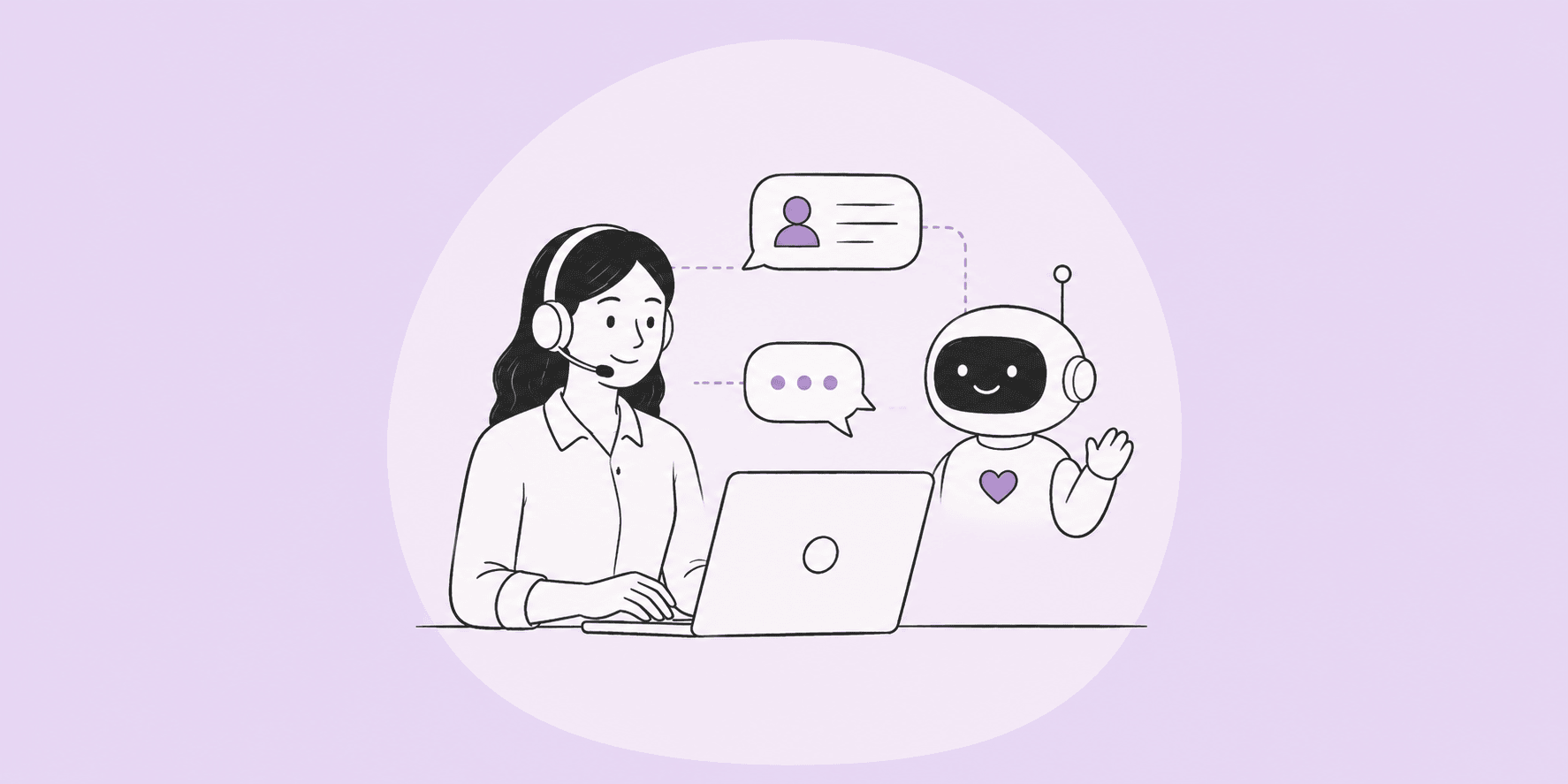
Chatbot automation is not about sharing robotic replies or replacing real people. It is about making sure visitors get timely answers, leads are captured, and basic questions are handled the moment interest shows up. Instead of relying on forms or delayed emails, conversations continue even when your team is offline.
In this guide, I will explain what chatbot automation is, why it matters, the benefits it delivers, where it is most commonly used, and the future trends shaping how businesses use automation technology.
What Is Chatbot Automation?
Chatbot automation refers to the use of AI-driven or rule-based bots to handle conversations without constant human involvement. Instead of relying on live agents for every interaction, automated chatbots respond instantly to common questions, guide users through predefined flows, and trigger actions like lead capture or appointment booking.
This helps businesses stay responsive around the clock while reducing manual workload and maintaining consistent communication across digital touchpoints.
So what does chatbot automation actually do? Here’s the breakdown:
- Automates repetitive conversations to save agent time
- Responds instantly, even outside business hours
- Guides users using structured or AI-driven flows
- Collects and qualifies leads during conversations
- Integrates with tools like CRMs and calendars
- Hands off chats to humans when needed
Why Your Website Needs an Automated Chatbot: Key Advantages
Chatbot automation is reshaping customer service, lead generation, and business operations by providing a lot of benefits that enhance efficiency, customer satisfaction, and operational insights.
Here are some of the major benefits:
1. Instant, 24/7 Responses Without Extra Staff
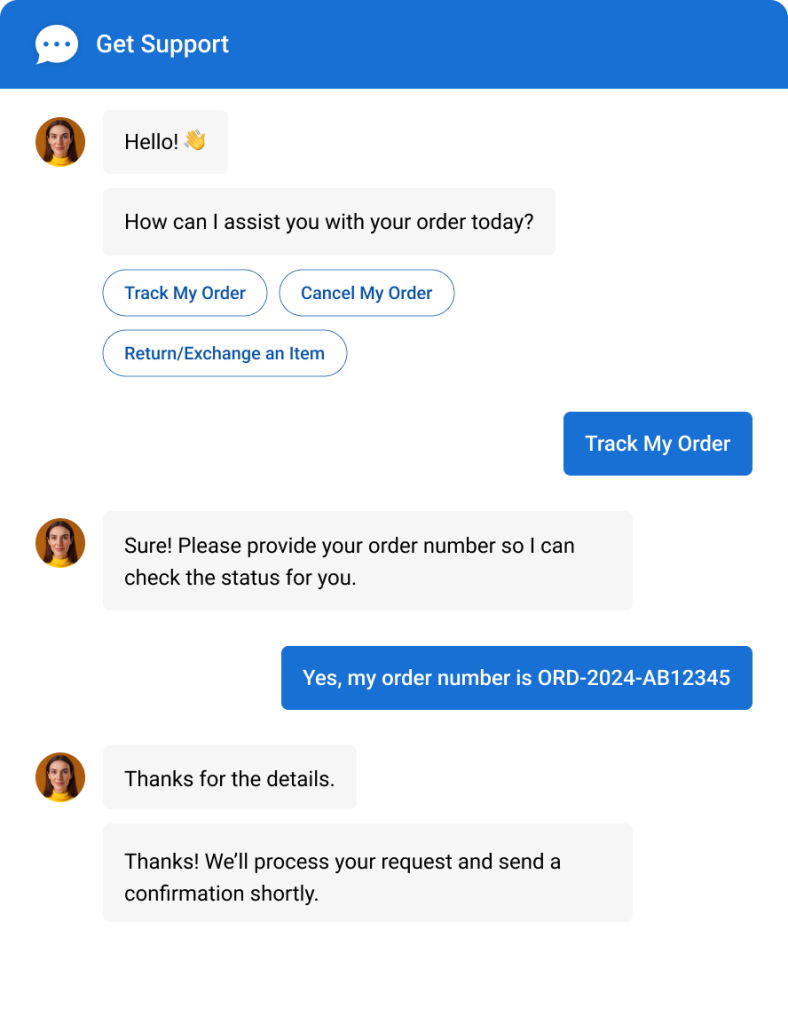
When someone visits your website, they expect immediate answers, no matter the time of day. An automated chatbot makes that possible by responding instantly, even when your team is offline. This eliminates delays caused by emails, forms, or limited working hours. Customers feel supported right away, and your business does not lose momentum outside office hours.
The biggest advantage is that you achieve this level of availability without hiring more people or extending shifts, making it both efficient and cost-effective.
2. Better Lead Capture and Qualification

Traditional contact forms often feel impersonal and are easy to ignore. AI chatbots turn lead capture into a natural conversation by asking simple, relevant questions at the right time. They can collect names, emails, phone numbers, and even qualify leads based on intent, location, or budget.
By the time a lead reaches your sales team, there is already useful context. This results in better follow-ups, higher-quality leads, and fewer wasted conversations with low intent visitors, and the emails collected can be put to work immediately in email marketing campaigns designed to nurture prospects until they are ready to convert.
3. Always-On Self-Service Support
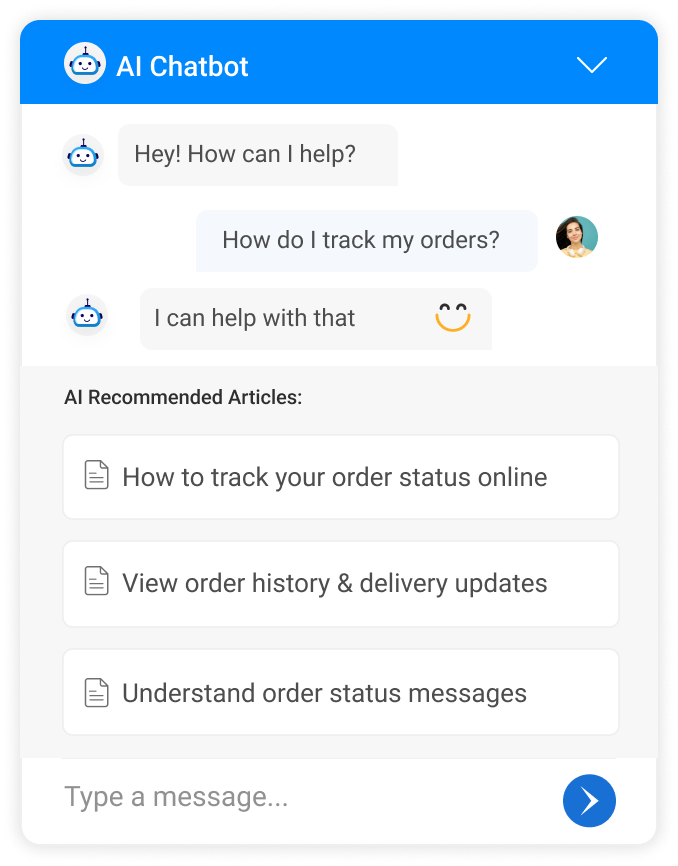
Many customers prefer solving problems on their own instead of reaching out to support. By integrating directly with your knowledge base, an automated chatbot can suggest the most relevant help articles during live chats. Additionally, it retrieves answers from FAQs, guides, and documentation in real-time, enabling users to resolve issues instantly.
This reduces support tickets while keeping customers in control. When people find accurate information without waiting for an agent, both satisfaction and efficiency improve.
4. Reliable Responses, Smooth Transfers
Automated chatbots deliver consistent, accurate responses based on programmed knowledge and data, eliminating risks like fatigue-induced mistakes or inconsistencies common in human interactions—often achieving 95-98% accuracy for routine tasks.
For complex or emotional queries, modern chatbots feature intelligent handover to human agents, transferring messages and complete context seamlessly. This hybrid approach ensures reliability while providing empathetic support when needed, enhancing trust and overall satisfaction.
If you want to see how this bot-to-human handoff works in practice, watch the short video below.
5. Active Engagement and Reduced Bounce Rates
Chatbots make websites feel more interactive by greeting visitors, answering quick questions, and pointing them to relevant content or products, while AI agents for customer support can help keep those conversations moving when a human rep is unavailable. This kind of proactive help encourages people to stick around longer, which helps reduce bounce rates and improves dwell time. Over time, this leads to a smoother user experience and stronger SEO signals.
Chatbots also capture useful insights about what visitors are looking for, helping businesses fine-tune their pages and keep users engaged for longer.
5 Essential Features Every Automated Chatbot Needs
Chatbots play a bigger role today than just answering questions. They guide visitors, support decisions, and shape how people experience your website. When key features are missing, even the best-looking chatbot falls short. These five features define what an automated chatbot must have to deliver real value.
1. Built-in Multilingual Support

Customers feel more comfortable interacting in their own language. A chatbot with built-in multilingual support makes that possible without creating multiple bots or complicated setups. Visitors can ask questions in their preferred language and still receive clear, accurate responses.
This improves accessibility and trust, especially for businesses serving global or diverse audiences. It also reduces friction and keeps more visitors engaged instead of leaving due to language barriers.
2. Smarter AI Chatbot Training
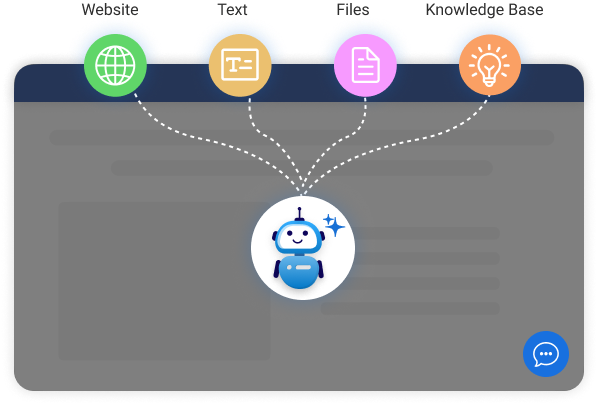
A chatbot is only as effective as the information it has been trained on. AI chatbot training should be simple and flexible, allowing the bot to learn from your knowledge base, FAQs, documents, and website content. Just as important, it should improve over time. Being able to review unanswered questions and refine responses helps the chatbot stay accurate, useful, and aligned with real customer needs.
3. Omnichannel Conversations
People do not stick to a single channel when reaching out. They move between websites, mobile apps, and messaging platforms. An omnichannel chatbot keeps these conversations connected instead of fragmented. Users can switch channels without starting over, and teams can see the full conversation history in one place. This creates a smoother experience for customers and makes it easier for teams to manage interactions efficiently.
4. Voice-enabled Interactions
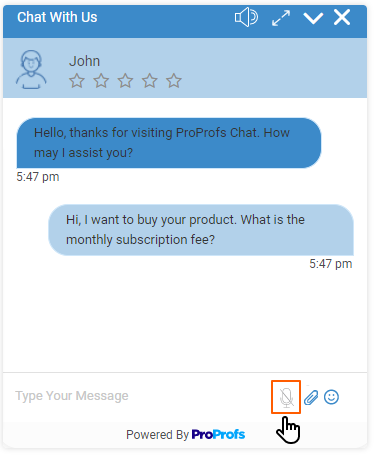
Not every interaction needs to happen through typing. Voice-enabled chatbots allow users to ask questions verbally, which can feel faster and more natural, especially on mobile devices. Voice support also improves accessibility for users who prefer speaking over typing.
When used alongside text-based chat, voice interactions add flexibility and make chatbot automation more inclusive and convenient for different user preferences.
5. Seamless Tool Integrations
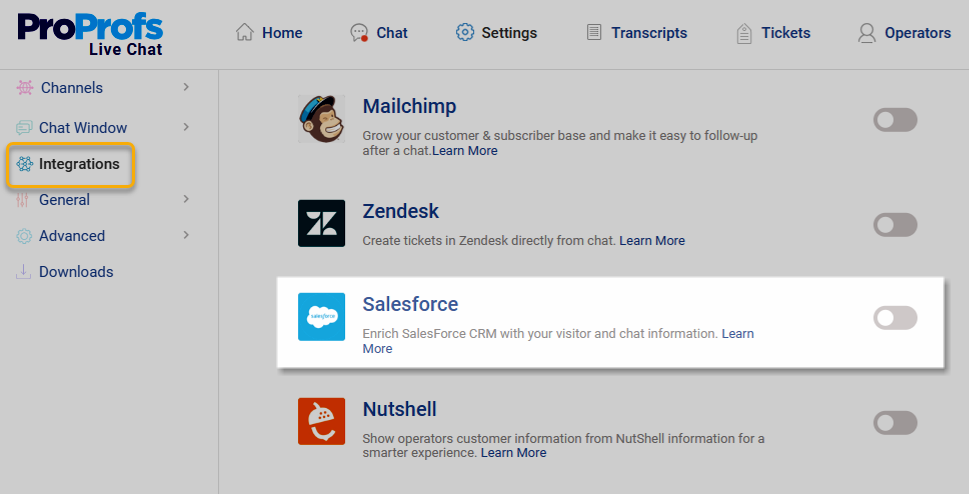
An automated chatbot should connect smoothly with the tools your team already relies on. This includes CRMs, help desks, ecommerce platforms, and analytics tools. When integrations are in place, conversations do more than answer questions.
They create leads, update records, trigger workflows, and pass useful context to human agents. Without integrations, chat becomes isolated. With them, it becomes part of your broader customer experience and business process.
Chatbot Automation Use Cases Across Industries
Chatbot automation is not limited to one type of business or industry. I have seen it work just as effectively for small service teams as for large, process-heavy organizations. The real value comes from applying chatbots to the right moments in the customer journey. Below are some of the most impactful AI chatbot automation use cases across industries.
1. Customer Support and Helpdesk
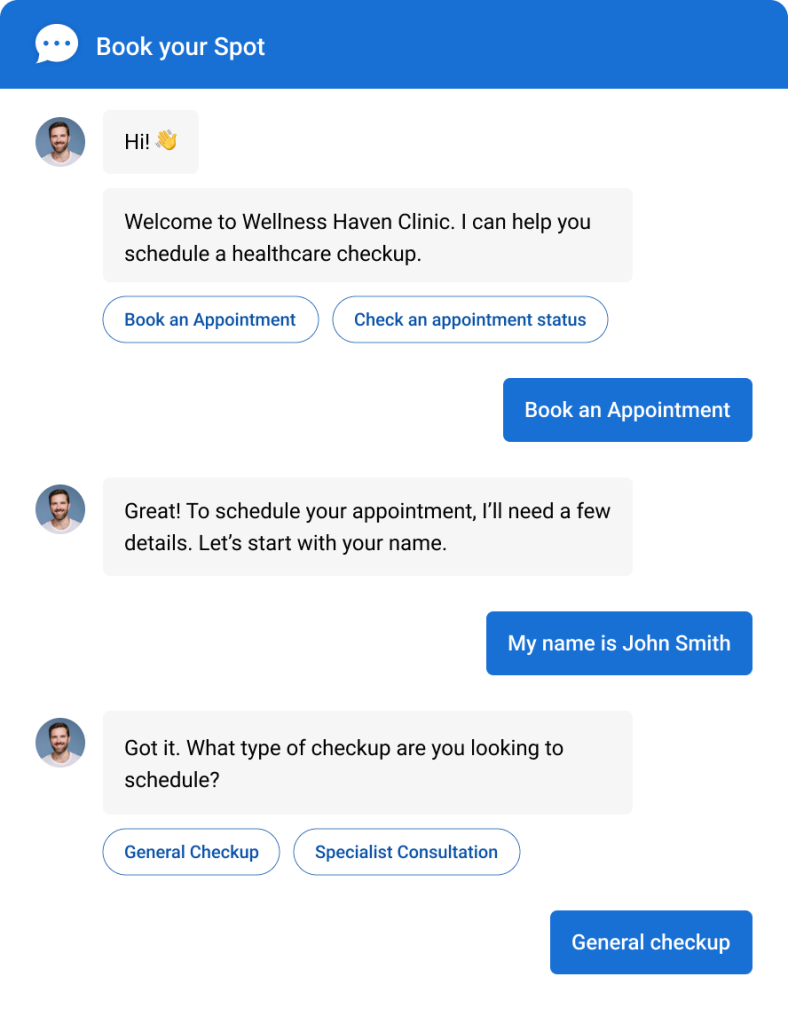
Chatbot automation plays a major role in reducing support pressure. Chatbots handle repetitive questions such as login issues, order status, billing queries, and appointment booking. This ensures customers get instant answers without waiting in queues. When an issue requires human attention, the chatbot passes the conversation to an agent with full context. This improves response times, reduces ticket volume, and allows support teams to focus on more complex customer problems.
2. Sales and Lead Generation
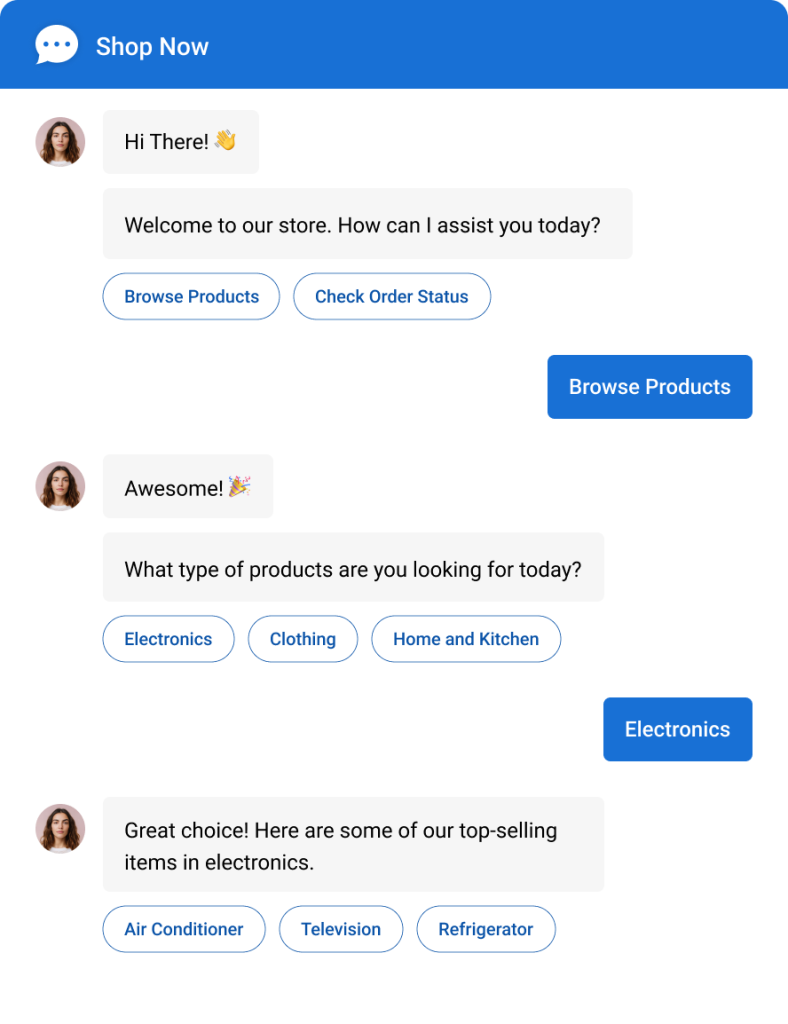
In sales, speed is everything. Chatbots engage visitors the moment they land on your website, ask qualifying questions, and capture contact details. They can route high-intent leads to sales teams or book demos automatically. This prevents leads from going cold and helps sales teams prioritize conversations that matter. Instead of chasing every inquiry, teams start with better-qualified prospects and clearer context.
3. Ecommerce and Retail
Chatbots help ecommerce shoppers make faster decisions by answering product-related questions, offering recommendations, and guiding users through purchases. They assist with size selection, order tracking, returns, and promotions. This reduces cart abandonment and support tickets while improving the overall shopping experience. By keeping customers engaged and informed, chatbots help ecommerce teams drive conversions without increasing operational effort.
4. Education and Training
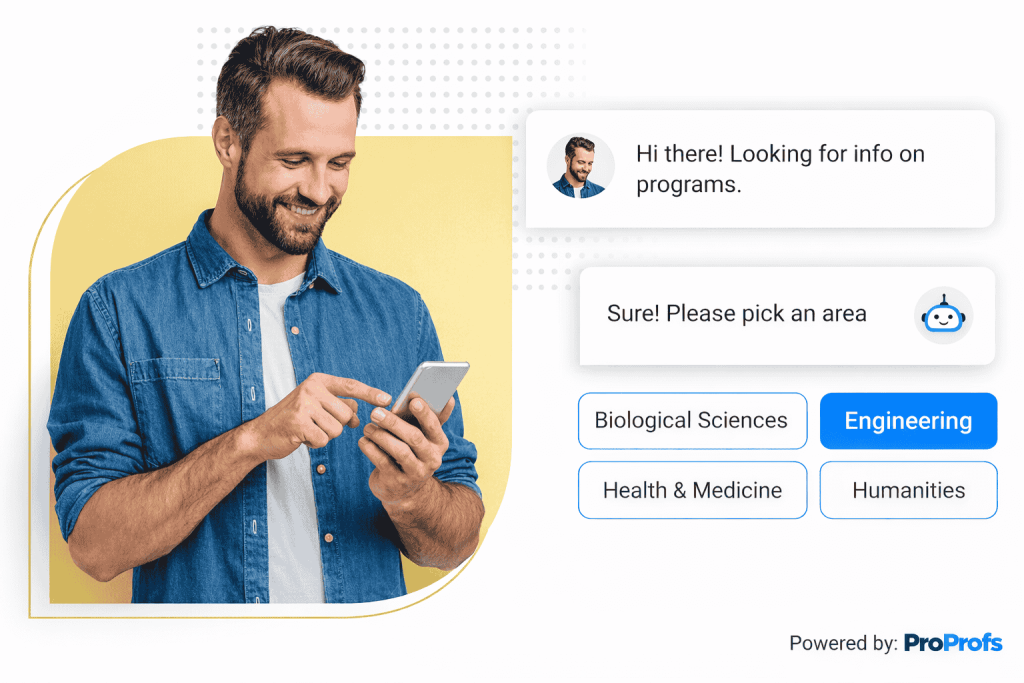
In education and training environments, chatbots support students and learners throughout their journey. They answer questions about courses, schedules, assessments, and certifications. In LMS platforms, chatbots can assist learners directly within the course environment. This reduces dependency on instructors or administrators and ensures students get timely help, improving engagement, completion rates, and overall learning experience.
5. Healthcare and Wellness
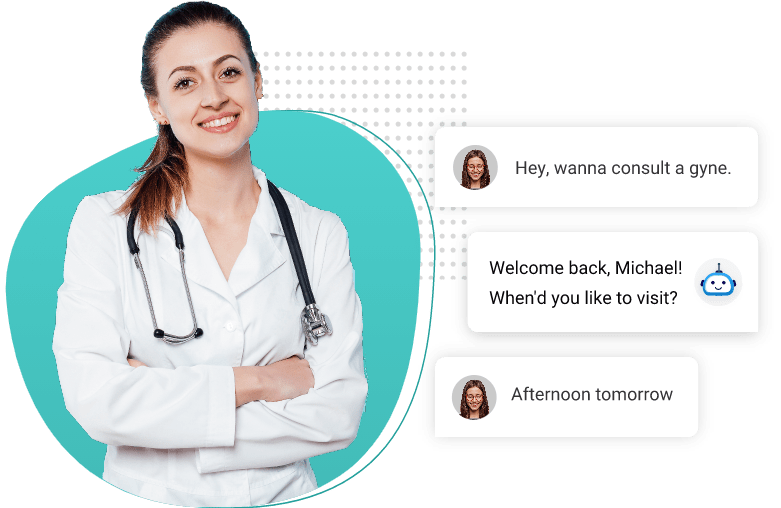
Chatbot automation helps healthcare organizations manage high volumes of routine inquiries. Chatbots assist with appointment scheduling, basic symptom guidance, insurance questions, and internal staff support. They ensure patients and staff receive quick, accurate information while escalating sensitive or complex issues to qualified professionals. This improves operational efficiency without compromising care quality or compliance requirements.
6. Banking, Insurance, and Finance
In finance-driven industries, accuracy and speed are critical. Chatbots help customers with policy details, claim status, account inquiries, and document requests. Automation reduces wait times while maintaining consistent and compliant responses. By handling routine interactions, chatbots free up agents to focus on complex cases, improving customer satisfaction and operational efficiency.
7. Real Estate and Professional Services
Chatbots help real-estate businesses respond faster to inquiries. They qualify leads, share listings or service details, and schedule consultations automatically. This ensures prospects receive timely information while agents focus on serious buyers or clients. By filtering low-intent inquiries early, chatbot automation improves lead quality and helps teams manage demand more efficiently.
FREE. All Features. FOREVER!
Try our Forever FREE account with all premium features!
What to Look for in a Chatbot Automation Tool
With so many chatbot tools promising everything, choosing the right one can feel overwhelming. The best option is not the most advanced, but the one that fits your workflows, team capacity, and customer expectations. This section will help you understand what to look for, what to avoid, and how to choose a chatbot that actually delivers value for your business and your customers.
| What to Evaluate | What to Look For | Why It Matters |
|---|---|---|
| Core use case fit | Support, lead generation, self-service, or a mix | A chatbot should solve your primary problem first, not just offer extra features |
| Bot to human handoff | Smooth transfer with full conversation context | Prevents frustration when automation cannot handle complex questions |
| Integration depth | Native integrations with CRM, help desk, calendar, ecommerce | Keeps conversations connected to real workflows and reduces manual work |
| AI training options | Training via knowledge base, FAQs, documents, and site content | Ensures the chatbot stays accurate and useful over time |
| Omnichannel support | Website, mobile apps, and messaging platforms in one system | Creates a consistent experience across all customer touchpoints |
| Ease of setup and use | Simple configuration without heavy technical effort | Helps teams adopt and manage the chatbot without ongoing friction |
| Reporting and insights | Visibility into conversations, failures, and outcomes | Allows continuous improvement and better decision-making |
| Scalability and pricing | Flexible plans that grow with usage and team size | Avoids unexpected limits or cost spikes as your business grows |
Future Trends in Chatbot Automation
Chatbot automation is moving fast, and basic Q&A bots are no longer enough. Businesses are now focusing on smarter, more connected, and more human-aware chatbot experiences. Here are the key trends shaping the future of chatbot automation.
| Trend | What’s Changing | Why It Matters |
|---|---|---|
| Smarter AI Conversations | Chatbots are becoming better at understanding intent, context, and follow-up questions instead of relying on rigid flows. | Conversations feel more natural, reducing frustration and increasing trust. |
| Deeper Human Handoffs | Bots are getting better at knowing when to step aside and pass conversations to humans with full context. | Customers get faster resolutions without repeating themselves. |
| Knowledge-Driven Automation | Chatbots are increasingly powered by live knowledge bases, documents, and internal data sources. | Answers stay accurate, consistent, and easier to update at scale. |
| Voice-First Interactions | Voice-enabled chatbots are gaining traction, especially on mobile and accessibility-focused platforms. | Users can interact faster and more naturally without typing. |
| Omnichannel Intelligence | Chatbots now operate seamlessly across websites, apps, and messaging platforms as one system. | Conversations stay connected, improving experience and efficiency. |
| Proactive Engagement | Bots are starting conversations based on behavior, not just user input. | Businesses engage visitors at the right moment, improving conversions. |
Make Automation Feel Natural, Not Robotic
Chatbot customer service automation has moved from a nice-to-have to a practical way businesses stay responsive, efficient, and competitive. When done right, it improves conversations without removing the human touch.
If you are exploring chatbot automation, start small. Focus on real use cases, train your bot with reliable knowledge, and make sure human handoff is seamless. Choose a tool that integrates easily with your existing systems and grows with your needs.
If you want a solution that balances automation with flexibility, ProProfs Chat makes it easy to automate conversations, support self-service, and step in when it matters.
Start smarter conversations today and turn every visit into an opportunity!
FREE. All Features. FOREVER!
Try our Forever FREE account with all premium features!

 We'd love your feedback!
What did you like & how can we make it even better?

 Thanks for your feedback!
 Ask Your Question
Have a question? Get expert help to make your decision easier.