
A few years ago, I noticed something frustrating on our website. We were spending real money to bring in traffic, yet most visitors left without taking any action.
That experience pushed me to take a closer look at chatbots for lead generation and how they change the way businesses capture and convert interest. Instead of waiting for forms or missed callbacks, conversations began happening in real time.
The real shift wasn’t automation alone. It was speed and intent. Chatbots engage visitors the moment curiosity peaks, ask the right questions, and capture intent before leads go cold. For growing businesses, this removes the pressure of being available around the clock.
In this guide, I’ll explore what lead generation chatbots are, their use cases, benefits, and emerging trends shaping their role in today’s sales funnel.
What Is a Lead Generation Chatbot?

A lead generation chatbot is an AI-powered automated tool designed to engage website visitors or app users in real-time conversations, qualify potential customers, and capture their contact information to convert them into sales leads.
Unlike static forms, these chatbots initiate proactive interactions (e.g., “How can I help you today?”), asking targeted questions about needs, budget, or timeline, and collect data like emails or phone numbers seamlessly. They operate 24/7, integrate with CRM systems for lead syncing, and reduce bounce rates to create a frictionless entry point into your sales funnel.
The impact of this technology is significant; recent industry data shows that e-commerce shoppers assisted by chatbots convert at a rate of 12.3% compared to just 3.1% without them, representing a 4x increase in conversion rates over traditional methods.
Key Benefits of Using Chatbots for Lead Generation
AI lead generation chatbots are changing the way businesses attract and convert leads. In this section, you will discover the main benefits of using chatbots for lead generation and understand how the right chatbot features help capture, qualify, and convert leads more effectively.
1. Capture Leads 24/7 Without Extra Effort
Chatbots stay active around the clock and assist visitors the moment they arrive. They can also be trained using your knowledge base or existing content, allowing them to answer common questions accurately without human help.
Even when agents are unavailable, the chatbot collects names, emails, and intent through pre-set questions, keeping lead capture consistent and uninterrupted.
If you are curious about how this training works in practice, this blog shows how to train a chatbot using your own data, step by step.
2. Higher Engagement at Key Moments
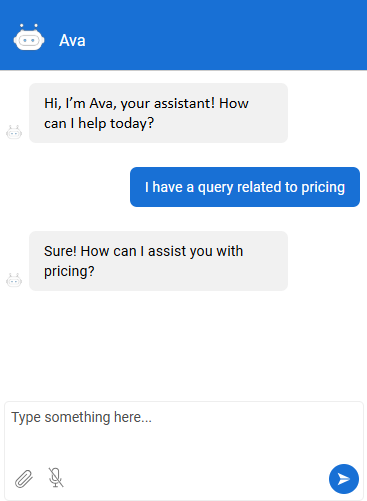
With proactive chat invitations and customizable chat rules, chatbots can start conversations right when visitors show buying intent. For example, a chatbot might appear on a pricing page or after someone has spent a certain amount of time exploring your site, opening the conversation with a friendly message like, “Hi, I’m Ava, your assistant! How can I help today?”
These contextual prompts feel helpful rather than intrusive. They meet visitors at the right moment, encourage questions, and gently guide them toward the next step, making it easier to turn interested visitors into qualified leads.
3. Automatic Lead Qualification
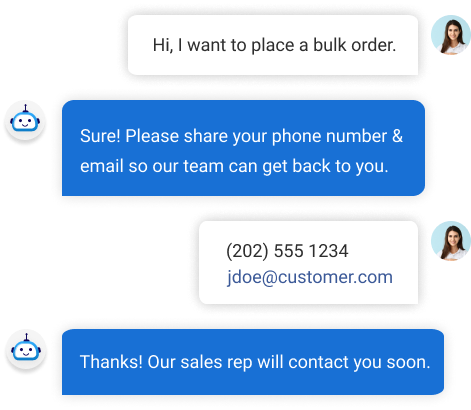
Chatbots use conditional logic and multi-step questions to qualify leads in a structured way. For example, they can first ask what the visitor is looking for, then smoothly follow up with relevant questions to capture details like email address or contact number, without making the conversation feel like a form.
Conversations are automatically tagged and categorized, so high-intent leads can be routed to the right sales rep or added to follow-up queues. This keeps sales focused on prospects who are ready to engage.
4. Create a More Personal Experience
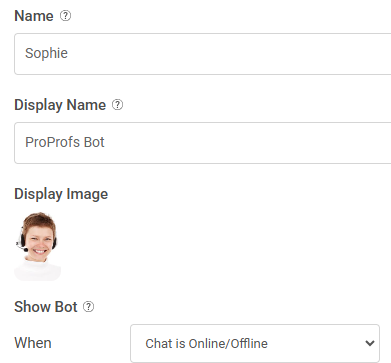
Lead generation chatbots can be designed to feel less like software and more like a real assistant. You can give your chatbot a friendly face, a unique voice, and a conversation style that matches your brand. With multilingual support, it can speak to visitors in their preferred language.
Plus, responses can be customized, and quick reply options like “Talk to sales,” “View pricing,” or “Get a demo” make interactions effortless. This creates natural, human-like conversations that build trust and encourage visitors to share their details.
5. Faster Response and Conversions
Instant automated replies ensure visitors never have to wait for answers. These chatbots can handle common questions, share relevant links, and even assist with booking meetings or demos on the spot.
You can also set rules for when a chat should go to a human agent, like when a returning lead asks for a demo or proposal, or when words like “cancel” or “complaint” come up. This keeps conversations flowing while making sure the right moments get human attention.
Watch this short video to see how chatbots and live agents collaborate to deliver faster, more human support.
Step-By-Step Guide: How to Build a Lead Generation Chatbot
Building an AI-powered lead generation chatbot might sound complex, but the actual setup is much simpler than most people expect. I’ll walk you through the process using ProProfs Chat, which I recently explored and found very straightforward, even if you are setting up a chatbot for the first time.
Step 1: Create a New AI Chatbot
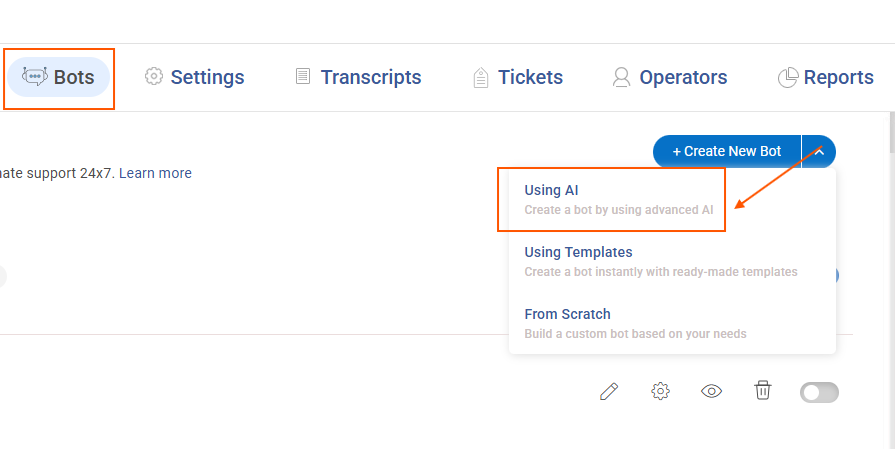
After logging in, head to the “Bots” section and click on “Create New Bot”. From the available options, choose Using AI. This sets up a chatbot that can learn directly from your content instead of relying only on predefined scripts.
Step 2: Add Your Data Source
Next, upload the data you want the chatbot to learn from. You can add a website URL, upload files, paste plain text, or connect your Knowledge Base.
Once the source is added, click “Process Data”. The system scans the content automatically and prepares it for chatbot training.
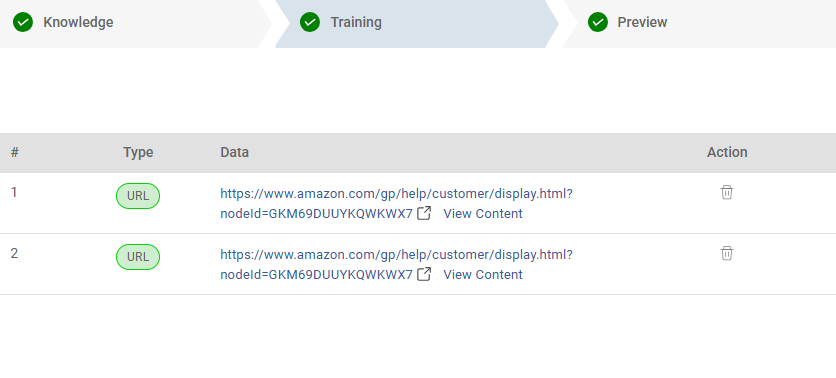
Step 3: Preview and Test the Chatbot
After processing is complete, click “Preview” to test the chatbot.
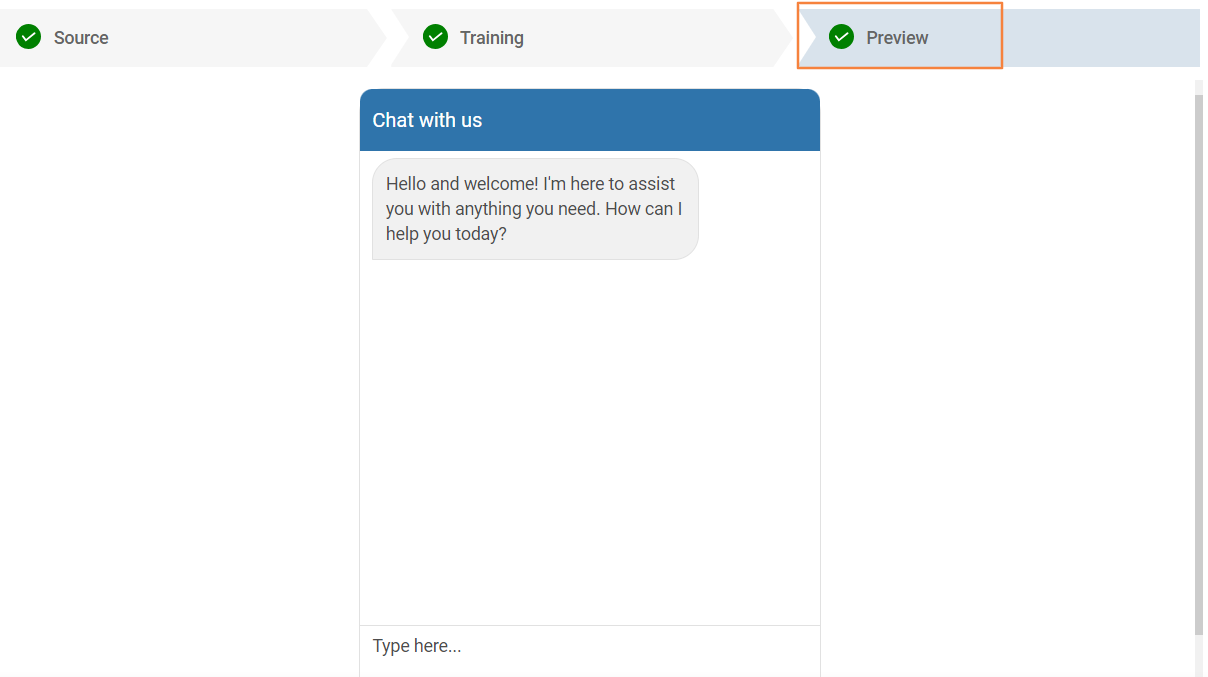
That’s it. Your chatbot is now trained and ready to engage visitors with reliable answers.
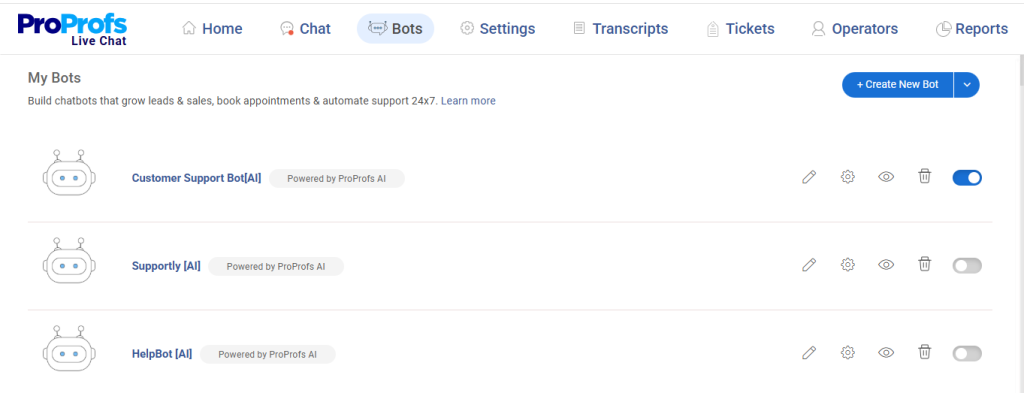
You can always retrain it later or update settings by going back to the Bots section and selecting your chatbot.
Best Practices to Optimize Chatbots for Higher Conversions
To get real conversion value from chatbots, it is not enough to simply place one on your website. How you design conversations, choose triggers, and guide users plays a major role in turning chats into qualified leads. Below are proven best practices that help chatbots drive higher engagement and conversions when implemented thoughtfully.
| Best Practice | Why It Matters | How to Apply It Using a Chatbot |
|---|---|---|
| Start conversations at the right time | Timing determines whether a visitor engages or ignores the chatbot | Use time-on-page or scroll-based triggers to launch chats when users show intent |
| Keep conversations short and focused | Long or complex chats increase drop-offs | Use quick replies and step-by-step questions to guide users smoothly |
| Ask qualification questions early | Helps identify high-intent leads faster | Add conditional questions based on user responses to segment leads |
| Personalize messages wherever possible | Personalized chats feel more relevant and human | Customize greetings based on page context, visitor type, or behavior |
| Offer clear next steps | Users convert better when guided clearly | Include CTAs like book a demo, request a callback, or share contact details |
| Use automation with a human fallback | Builds trust and prevents frustration | Enable live chat handoff when users need human support |
| Continuously review and improve chat flows | Optimization improves conversion rates over time | Analyze chat reports and refine questions, triggers, and responses regularly |
FREE. All Features. FOREVER!
Try our Forever FREE account with all premium features!
Chatbot Use Cases Across Different Industries
Chatbots work well across industries because they match how people prefer to interact online. A chatbot for lead generation helps deliver instant responses, guide conversations, and capture lead information without friction. Below are common chatbot use cases across industries, explained in a conversational and practical way.
1. SaaS and Technology
In SaaS, chatbots act as the first point of contact for website visitors. They answer product questions, explain features, and qualify interest by asking a few targeted questions. Chatbots also help schedule demos or free trials, making it easier for sales teams to focus on prospects who are already showing strong buying intent.
2. E-commerce
E-commerce chatbots support shoppers throughout their buying journey. They help with product discovery, availability, pricing, and shipping questions. When shoppers hesitate or abandon carts, chatbots step in to re-engage them, collect contact details, and gently nudge them toward completing their purchase.
3. Education and Training
Chatbots help education and training providers respond to course-related inquiries quickly. They share program details, eligibility criteria, and enrollment steps while capturing student information. This ensures institutions do not miss out on interested learners and can follow up with personalized guidance at the right time.
4. Real Estate
In real estate, chatbots handle property inquiries around the clock. They share listing details, answer common buyer questions, and schedule site visits or callbacks. This allows agents to capture and qualify leads instantly, even during weekends or after office hours.
5. Healthcare and Professional Services
Chatbots assist healthcare providers and service-based businesses by managing appointment requests, service inquiries, and basic lead qualification. They help visitors get quick answers while collecting essential details, ensuring inquiries are routed to the right team without delays or manual follow-ups.
Future Trends in Chatbots for Lead Generation
As chatbot technology continues to evolve, its impact on lead generation is becoming more intelligent, personalized, and data-driven. Businesses that stay ahead of these trends will be better positioned to engage prospects, qualify leads faster, and improve conversions at scale.
The table below highlights the key chatbot trends shaping the future of lead generation.
| Trend | What’s Changing | Impact on Lead Generation |
|---|---|---|
| AI-driven personalization | Chatbots use behavior, history, and intent to tailor conversations | More relevant interactions that increase engagement and conversions |
| Predictive lead qualification | Chatbots analyze real-time data to identify high-intent users | Sales teams receive better-qualified leads faster |
| Voice-enabled chatbots | Support for voice-based conversations alongside text | Makes lead capture more natural and accessible |
| Omnichannel chatbot presence | Unified chats across websites, apps, and messaging platforms | Consistent lead engagement across multiple touchpoints |
| Smarter human handoffs | Intelligent routing to the right team at the right time | Improves trust, response quality, and close rates |
Turn Every Website Visit Into an Opportunity With AI Chatbots
Chatbots have changed how businesses approach lead generation by making conversations faster, smarter, and more engaging. They help capture interest at the right moment while guiding potential customers through a smoother path to conversion.
To get the most out of chatbots, keep interactions natural, avoid overwhelming users with too many questions, and use data to continuously refine your chat flows. Make sure your chatbot supports both automation and human support so leads never feel stuck.
If you are looking for the best chatbot for lead generation, ProProfs Chat is a strong option to explore. With ready-to-use templates, round-the-clock availability, multilingual support, and real-time analytics, it simplifies chatbot setup and management while helping you convert more conversations into qualified leads and move closer to your business goals.
FREE. All Features. FOREVER!
Try our Forever FREE account with all premium features!

 We'd love your feedback!
What did you like & how can we make it even better?

 Thanks for your feedback!
 Ask Your Question
Have a question? Get expert help to make your decision easier.