
A lengthy implementation budget. A three-month rollout. And an AI agent that still can’t handle a refund request without a human stepping in.
That’s the story I kept hearing from teams who tried Salesforce Agentforce before looking elsewhere. Not because the product doesn’t work. It does, when your entire stack runs on Salesforce. The problem is that most businesses aren’t in that situation.
They’re running HubSpot, Zendesk, Freshdesk, or a home-grown CRM, and they need AI agents that work with what they have, not a platform that works best only when they rebuild around it.
The search for Agentforce alternatives is picking up for one simple reason: the pricing model alone has undergone three overhauls in 18 months. Businesses evaluating AI agents in 2026 want predictable costs, fast deployment, and agents that do real work across real channels.
This guide covers the 10 best Agentforce competitors that deliver exactly that, including what each one is genuinely good at and which team it’s the right fit for.
Why Are Businesses Looking for Agentforce Alternatives?
Agentforce is a serious product. For large enterprises already standardized on Salesforce Service Cloud with Data Cloud running and a dedicated Salesforce admin team, it fits well. But outside that scenario, here’s what’s driving the switch:
1. Pricing That’s Hard to Predict at Scale
Salesforce has cycled through three pricing models in roughly 18 months, and all three now run simultaneously. A single support ticket can consume a different number of actions depending on resolution complexity, and Flex Credits and Conversation pricing cannot coexist in the same Salesforce org. For a finance team trying to budget an AI deployment, that kind of moving target is a planning nightmare.
2. Implementation Overhead That Catches Teams off Guard
Beyond the license, Agentforce implementations typically require significant professional services spend, Data Cloud setup, and partner fees before the first agent goes live. The platform also caps active agents at 20 per Salesforce org on Enterprise plans, which becomes a real constraint for large organizations running routing, billing, compliance, and customer service agents simultaneously.
3. Deep Salesforce Ecosystem Dependency
Agentforce delivers the most value when used alongside Salesforce Data Cloud, Flow, and Service Cloud. Teams with multi-platform stacks running Jira, Zendesk, SAP, or custom applications face meaningful integration friction and additional costs to make cross-platform AI workflows function properly.
4. Adoption Has Been Slower Than Expected
Despite significant investment in promotion and ecosystem push, Agentforce adoption among eligible customers has remained limited. The combination of implementation complexity, consumption-based pricing, and Salesforce infrastructure requirements has kept the mid-market largely on the sideline while enterprise pilots continue.
10 Best Agentforce Alternatives to Consider in 2026
I spent several months testing AI agents and live chat platforms to find the best alternatives to Agentforce. I set up chatbots, trained them on real content, ran live test conversations, reviewed analytics, and evaluated how human handoff performs under each system. Each platform was also assessed against real user feedback from G2 and Capterra to surface patterns that don’t show up in vendor demos.
Here’s a summary of the top 10 Agentforce competitors worth evaluating:
| Agentforce Alternative | Best For | Pricing |
| ProProfs Chat | Easy Live Chat & AI Customer Service Agent for Instant, Automated Support | Starts at $19.99/operator/month. |
| Intercom Fin | High-volume deflection on existing helpdesks | Starts at $0.99/resolution. |
| Zendesk AI | Teams already on Zendesk wanting AI layered in | Starts at $1.50/automated resolution. |
| Freshchat | Mid-size support teams needing AI + ticketing | Starts at $15/agent/month. |
| HubSpot Breeze | Teams running HubSpot CRM wanting native AI agents | Included in HubSpot Hub plans. |
| ServiceNow Now Assist | Enterprises using ServiceNow as their system of record | Custom pricing. |
| Microsoft Copilot Studio | Microsoft 365 and Dynamics shops wanting AI agents | Starts at $200/month. |
| Ada | Mid-market teams wanting no-code digital customer service | Custom pricing. |
| Tidio | eCommerce businesses wanting AI + live chat | Starts at $29/month. |
| Botpress | Developer teams needing full control over agent logic | Starts at $89/month. |
1. ProProfs Chat – Best for Easy Live Chat & AI Customer Service Agent for Instant, Automated Support
I tested ProProfs Chat in a real support setup, and what stood out first was how quickly the AI agent went from trained to live. You point it at a website URL, upload help docs, or connect your knowledge base, and it starts handling real customer queries the same day.
From there, every feature feels purposefully connected. When the AI agent encounters a question it can’t resolve, it passes the conversation to a live operator with the full chat history intact, so customers never have to repeat themselves.
Sentiment analysis runs alongside every conversation, flagging frustration before it escalates, while churn risk scoring gives operators a clear signal of which interactions need immediate attention.
See how a ProProfs’ AI Customer Support Agent resolves customer questions instantly. Try it now:
It also integrates seamlessly with ProProfs Knowledge Base and ProProfs Help Desk, giving you everything you need to deliver 360° customer support.
On top of that, the AI agent takes direct action, completing order updates, booking appointments, and triggering Slack alerts from within the chat window, across the website, WhatsApp, Facebook, Instagram, and SMS from one dashboard.
Pros:
- Train AI chatbots using your website or help center data for highly accurate responses
- Sentiment analysis detects customer emotion in real time so operators know exactly when to step in
- Churn risk scoring flags high, medium, and low risk conversations before they escalate
- AI agents complete tasks like order updates, meeting scheduling, and Slack notifications from within the chat
- Omnichannel coverage across website, WhatsApp, Facebook, Instagram, and SMS from a single dashboard
Cons:
- Cloud-only – no offline access
- No dark theme
How it compares to Agentforce: Agentforce requires Salesforce infrastructure to deliver its full value. ProProfs Chat works independently of your CRM, deploys in hours rather than months, charges flat per-operator pricing instead of per-action consumption billing, and includes live chat with human handoff natively. For businesses that need AI-powered customer support without a lengthy implementation project, ProProfs Chat is where the math makes sense.
User Rating: 4.8/5 (Capterra)
Pricing: A free plan is available for growing teams. Paid plan starts at $19.99/operator/month.
2. Intercom Fin – Best for High-Volume Deflection on Existing Helpdesks
I’ve watched Intercom Fin perform well on high-volume support queues where the majority of tickets are repetitive and well-structured. It runs on outcome-based pricing at $0.99 per resolved conversation, which directly ties cost to value delivered rather than actions consumed. Fin deploys natively on Intercom, integrates with Zendesk, and can be deployed standalone on Salesforce Service Cloud.
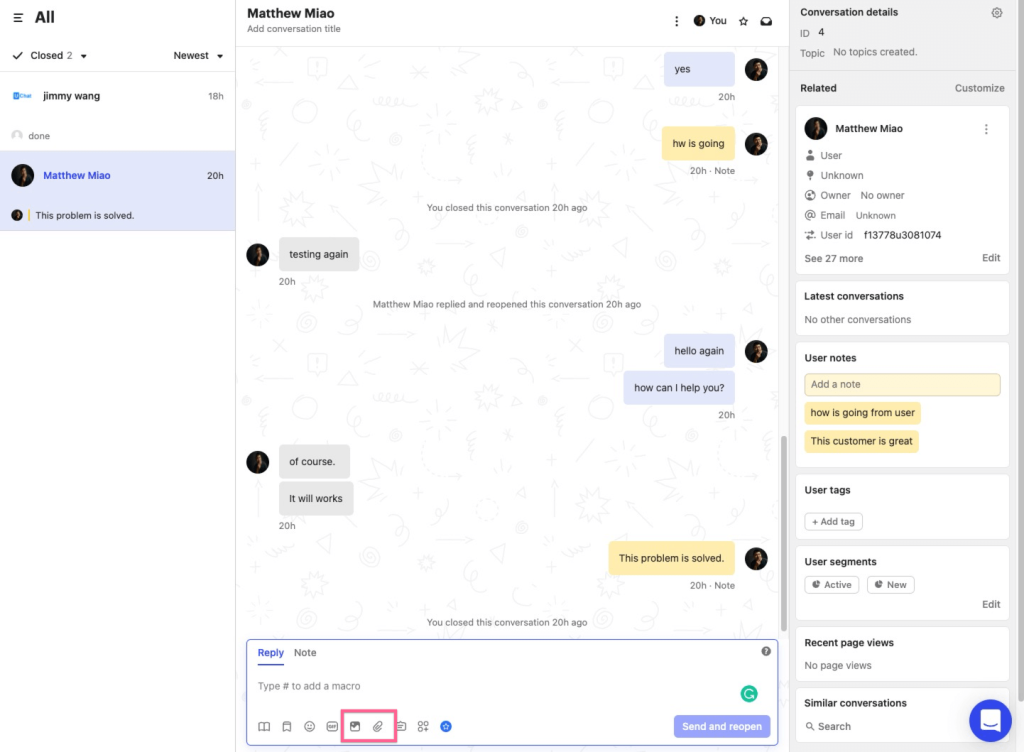
For teams processing thousands of tickets monthly on existing helpdesks, the per-resolution model often works out more predictably than Agentforce’s Flex Credit system. It supports email, voice, SMS, and live chat. The honest caveat is that Intercom at the full suite level carries significant seat costs, so teams evaluating it should model total cost carefully before committing.
Pros:
- Outcome-based pricing at $0.99 per resolved conversation aligns cost directly to value delivered
- Multi-channel coverage across email, voice, SMS, and live chat from one platform
- Deploys as a standalone module on Salesforce Service Cloud without requiring a full Intercom subscription
- Strong no-code configuration tools let support teams set up and tune the agent without developer involvement
- Documented resolution rates above 50% across its customer base for common support query categories
Cons:
- Full Intercom suite pricing adds up fast for teams not already on the platform
- Setup complexity is higher than simpler alternatives on this list
User Rating: 4.5/5 (G2)
Pricing: Starts at $0.99/resolution.
3. Zendesk AI – Best for Teams Already Running Zendesk
If your support workflow already lives inside Zendesk, I’d look at Zendesk AI before evaluating anything else. The AI layer plugs directly into existing ticket workflows, knowledge bases, and routing rules with no additional infrastructure required. Zendesk moved to outcome-based pricing for AI agents in 2026, which benchmarks competitively against Agentforce’s Flex Credit model for most standard support use cases.
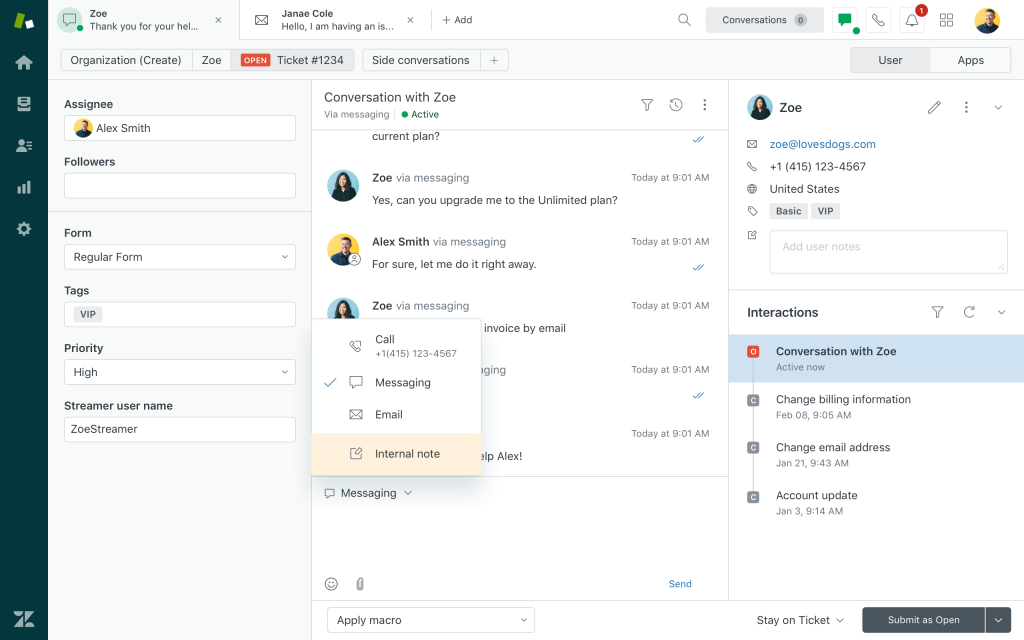
I found the triage and intelligent routing noticeably strong, with the AI correctly classifying and routing edge-case tickets that would have required manual intervention on other platforms. The limitation is clear: Zendesk AI delivers its best performance when the entire support stack is already inside Zendesk. Teams on mixed stacks should weigh migration costs against the native integration benefit.
Pros:
- Native Zendesk integration with no middleware required means zero additional infrastructure to set up
- Outcome-based pricing tied to automated resolutions removes the per-action unpredictability of Agentforce
- Strong analytics and CSAT reporting built into the standard plan give support managers real visibility
- Intelligent triage correctly classifies and routes complex tickets without requiring manual rule-building
- Multi-channel coverage across email, chat, and messaging managed from a single unified inbox
Cons:
- Best value is only available to existing Zendesk customers; limited benefit for teams on other platforms
- Less flexible than purpose-built AI agent platforms for teams with complex multi-system workflows
User Rating: 4.3/5 (G2)
Pricing: Starts at $1.50/automated resolution.
4. Freshchat – Best for Mid-Size Teams Needing AI and Ticketing Together
Freshchat is the platform I recommend when a team needs AI deflection and structured ticketing to work together without a separate integration holding them together. The Freddy AI agent handles common queries from the knowledge base, and when a conversation escalates, it becomes a Freshdesk ticket with the full chat history attached automatically. No manual copying, no API configuration.
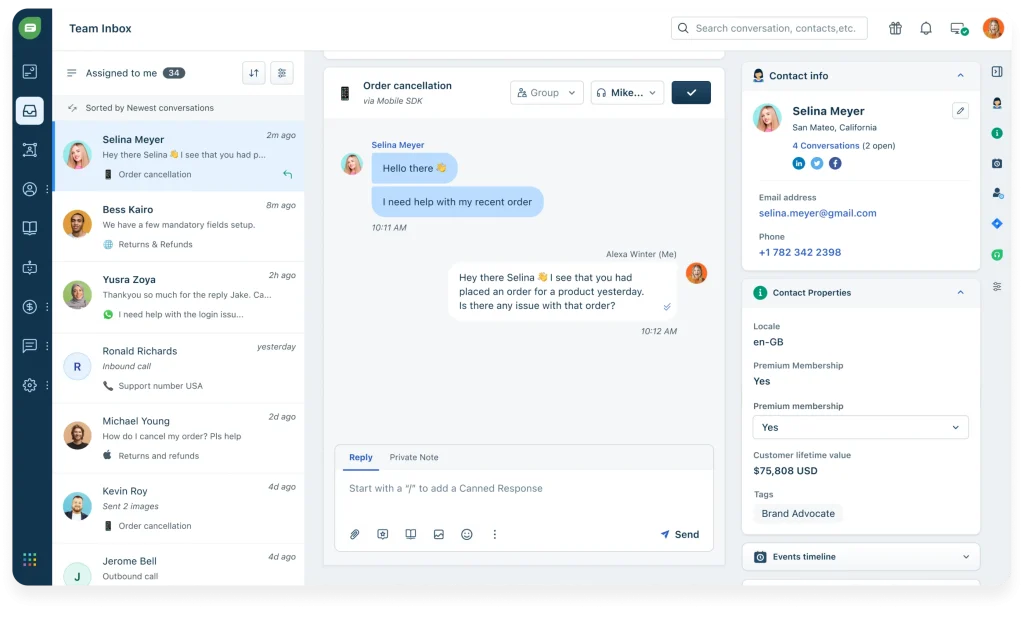
I tested the IntelliAssign routing in a mid-size support setup and found it genuinely reliable at distributing load by agent skill and availability rather than simple round-robin. Unlike Agentforce, which requires significant Salesforce configuration for ticketing workflows, Freshchat and Freshdesk ship as tightly connected products from the same vendor, with a setup timeline measured in days.
Pros:
- Native Freshdesk ticketing integration auto-converts unresolved bot conversations into tickets with full chat history
- IntelliAssign routes incoming chats to agents by skill, workload, and availability rules automatically
- Strong CSAT and conversation-level analytics built into the standard plan without requiring add-ons
- Omnichannel inbox covers WhatsApp, Facebook Messenger, and website chat in one dashboard
- Freddy AI agent trains on knowledge base articles to deflect tier-1 queries without operator involvement
Cons:
- Per-agent pricing adds up for teams with more than five operators at the Growth tier
- Standalone value diminishes noticeably without Freshdesk running alongside it
User Rating: 4.4/5 (G2)
Pricing: Starts at $15/agent/month.
5. HubSpot Breeze – Best for HubSpot-Native Teams Wanting CRM-Embedded AI
HubSpot Breeze is the right answer for teams already standardized on HubSpot and looking for AI agents that operate inside a CRM data model they already maintain. Breeze is embedded directly into HubSpot’s Marketing, Sales, and Service Hubs, which means AI agent activity logs into CRM records automatically with no integration work required.
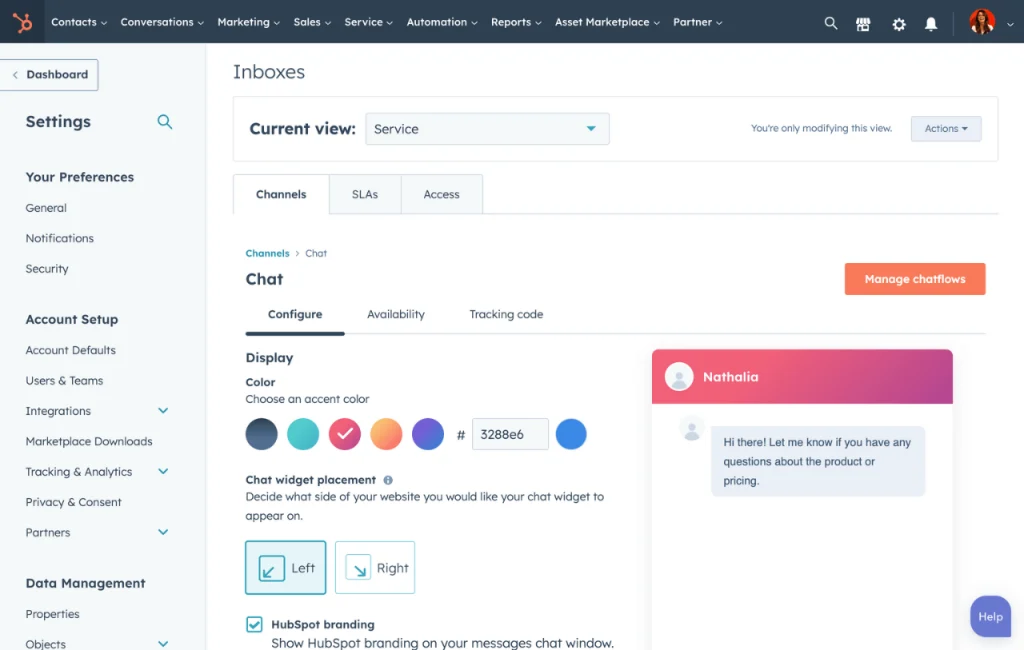
I found the prospecting and content AI agents genuinely useful for GTM teams that live in HubSpot daily, and the customer service agent handles standard FAQ deflection well. The differentiator from Agentforce is structural: Breeze is included in existing HubSpot Hub plans rather than billed as a separate consumption-based layer, removing the pricing unpredictability that Agentforce customers frequently cite as a frustration.
Pros:
- Embedded directly in HubSpot Marketing, Sales, and Service Hubs with no separate activation required
- AI agent activity logs automatically into CRM contact and deal records without any integration setup
- No separate AI licensing or consumption billing stacked on top of existing HubSpot subscriptions
- Covers prospecting, content creation, and customer service AI in one unified platform
- Fast to activate for existing HubSpot users with CRM data already structured and clean
Cons:
- Limited value for teams that are not already running HubSpot as their primary CRM
- AI agent configurability is less deep than enterprise-grade standalone platforms
User Rating: 4.4/5 (G2)
Pricing: Included with HubSpot Marketing, Sales, and Service Hub plans.
6. ServiceNow Now Assist – Best for Enterprises Using ServiceNow as Their System of Record
Now Assist is the Agentforce equivalent for enterprises where ServiceNow, not Salesforce, is the system of record. It brings generative AI and agentic capabilities into ITSM, CSM, and HR workflows already running inside ServiceNow, without requiring organizations to adopt a separate CRM platform.
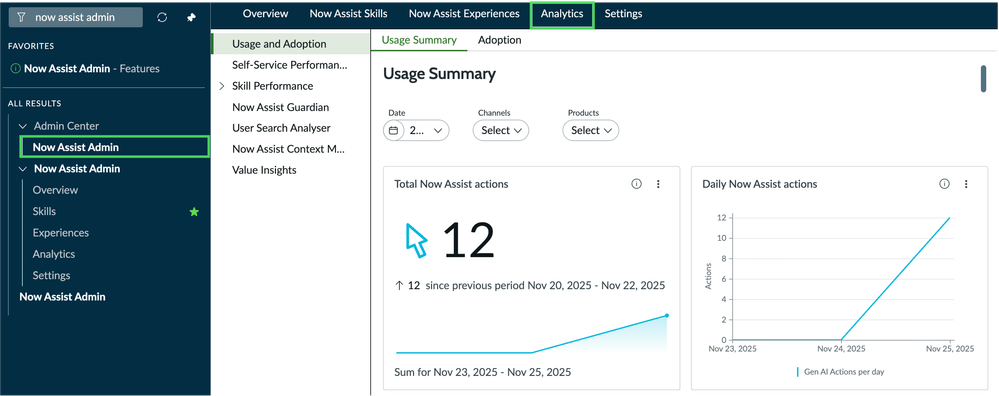
I reviewed Now Assist deployments in financial services and healthcare environments where the audit trail and governance requirements are non-negotiable, and the compliance controls are genuinely strong.
For large enterprises managing IT operations, field service, and customer service simultaneously inside ServiceNow, Now Assist removes the need to evaluate Agentforce at all. The entry point is enterprise-level, and teams without existing ServiceNow infrastructure will find limited value from the platform.
Pros:
- Deep native ServiceNow integration covers ITSM, CSM, and HR workflows without middleware
- Enterprise-grade governance controls with full audit trail capabilities for regulated industries
- Generative AI built into existing ServiceNow workflows rather than layered on as a separate tool
- Operates inside existing ServiceNow data structures, governance rules, and access controls
- Strong fit for large organizations already managing IT operations and customer service in one platform
Cons:
- Custom enterprise-level pricing with significant implementation overhead before going live
- Minimal value for organizations not already running ServiceNow as their primary operations platform
User Rating: 4.4/5 (G2)
Pricing: Custom pricing.
7. Microsoft Copilot Studio – Best for Microsoft 365 and Dynamics Teams
For teams running Dynamics 365, Teams, SharePoint, and Azure, Microsoft Copilot Studio is the most natural path to AI agents without stepping outside the Microsoft ecosystem. It’s a low-code platform that connects AI agents directly to enterprise data sources already inside Microsoft infrastructure, with strong governance enforced through Azure Active Directory.
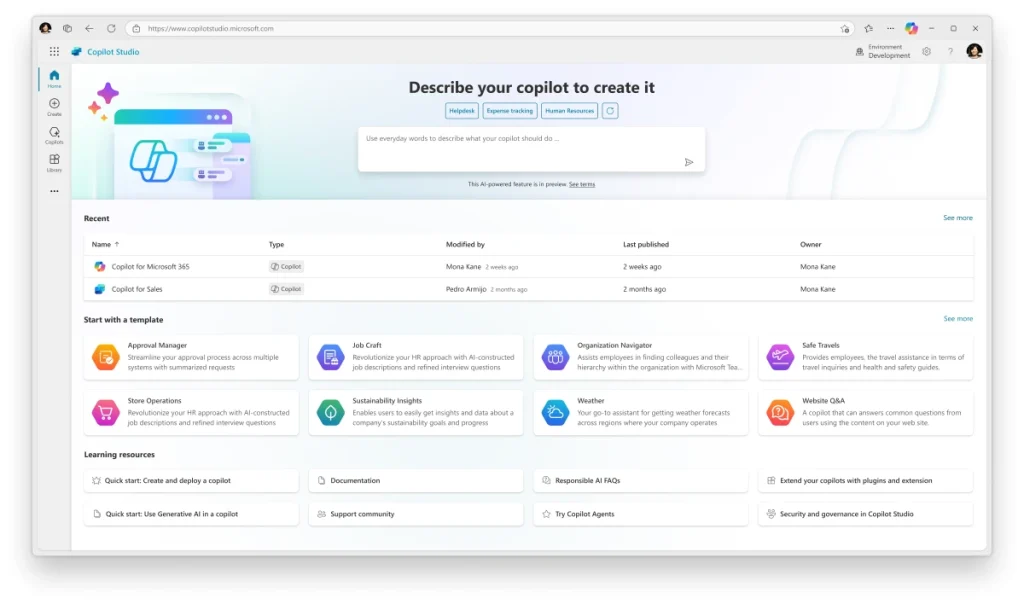
I found the agent builder accessible to non-developers, with a visual flow designer that produces functional agents in hours rather than weeks.
The platform supports MCP (Model Context Protocol), allowing agents to interact securely with external systems. For teams already paying for Microsoft 365, the per-message pricing often works out significantly more predictably than Agentforce’s action-based Flex Credits model at similar deployment scales.
Pros:
- Deep integration across Dynamics 365, Teams, SharePoint, and Azure with no additional middleware
- Low-code visual agent builder lets non-technical team members design and deploy working agents
- Governance enforced through Azure Active Directory with role-based access and compliance tooling
- Supports MCP for secure interaction between AI agents and external systems
- Per-message pricing structure is more predictable than per-action consumption models at consistent usage volumes
Cons:
- Limited practical value for organizations not already running Microsoft 365 or Dynamics
- Less capable for complex customer-facing support scenarios compared to dedicated customer service platforms
User Rating: 4.3/5 (G2)
Pricing: Starts at $200/month.
8. Ada – Best for Mid-Market Teams Wanting No-Code Digital Customer Service
Ada has been in the AI customer service market long enough to have a real track record, and that experience shows in how reliably the platform handles multi-channel automation without requiring developer involvement.
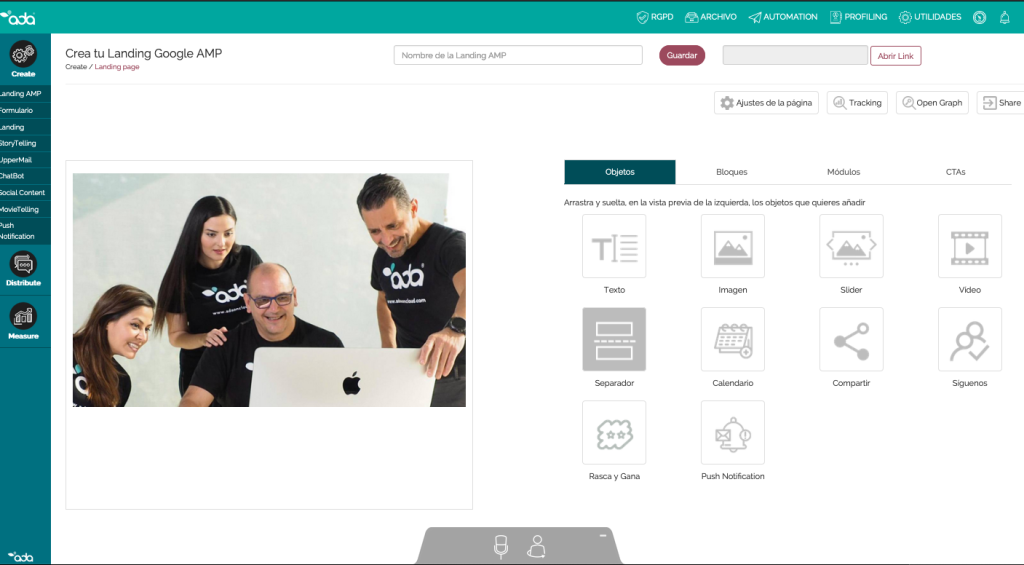
I reviewed Ada deployments at mid-market organizations in retail and financial services, and the no-code configuration holds up well for teams managing ongoing bot tuning through support operations rather than engineering.
The platform covers web chat, email, and messaging channels with multilingual support included by default. The limitation I consistently hear from evaluators is cost transparency: Ada does not publish pricing, and the annual contract size reported across review sites positions it firmly in the enterprise and upper mid-market, well outside the SMB range.
Pros:
- No-code configuration lets support operations teams build and tune bots without engineering involvement
- Strong multi-channel coverage across web chat, email, and messaging from a single platform
- Proven track record at mid-market scale with documented deployments across retail and financial services
- Multilingual support included by default without requiring separate language pack add-ons
- Established platform with years of AI customer service refinement behind its response quality
Cons:
- Pricing not publicly available; typically requires an enterprise-level annual contract
- Less practical for teams looking for rapid, low-cost deployment with immediate functionality
User Rating: 4.5/5 (G2)
Pricing: Custom pricing.
9. Tidio – Best for eCommerce Teams Wanting AI + Live Chat Together
Tidio is the platform I point eCommerce teams toward first when they’re looking for an Agentforce alternative that fits their actual use case.
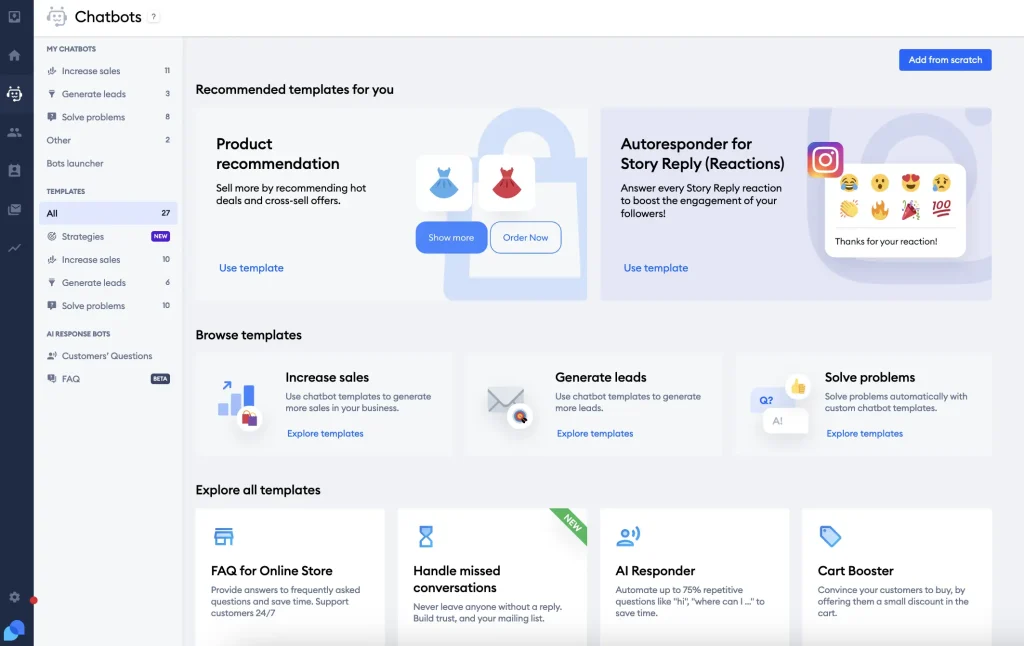
The Lyro AI agent handles FAQ deflection from help docs, the Shopify and WooCommerce integrations are genuinely well-built with real-time order data accessible mid-conversation, and the visual flow builder makes it straightforward to design structured paths for cart abandonment recovery and post-purchase follow-up.
I tested the proactive chat triggers against behavior signals including cart value, time on page, and referral source, and found them reliable for surfacing high-intent visitors at the right moment. For online stores that need AI deflection plus proactive engagement, Tidio delivers more relevant functionality at a far lower cost point than Agentforce.
Pros:
- Native Shopify and WooCommerce integration surfaces real-time order data directly inside the chat window
- Visual flow builder lets teams design cart abandonment, lead capture, and onboarding paths without code
- Proactive chat triggers fire based on visitor behavior, cart value, time on page, and referral source
- Live chat and AI in the same platform with seamless bot-to-human handoff and full conversation context preserved
- Lyro AI agent handles open-ended FAQ queries from help docs using natural language understanding
Cons:
- Per-conversation billing on Lyro can be unpredictable for high-traffic stores during peak periods
- Salesforce integration syncs contacts rather than qualified leads, which limits CRM-driven sales workflows
User Rating: 4.7/5 (G2)
Pricing: Starts at $29/month.
10. Botpress – Best for Developer Teams Needing Full Agent Control
Botpress is where I send technical teams that have outgrown every tool that prioritizes simplicity over control. It’s open-source, self-hostable, and supports OpenAI, Anthropic, and custom LLM endpoints, allowing teams to choose the best model for each conversation step rather than being locked into a single vendor’s AI infrastructure.
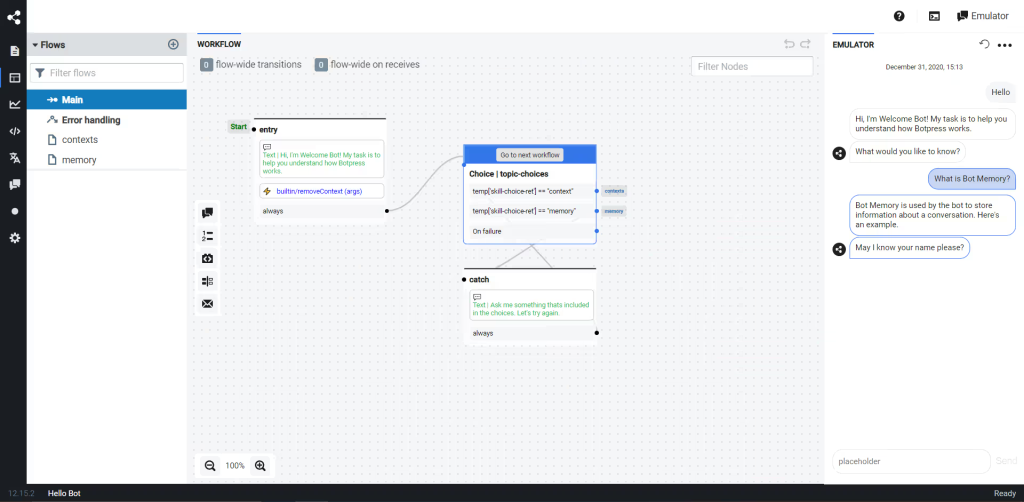
That’s a meaningful architectural advantage over Agentforce, which constrains model selection through the Einstein Trust Layer.
I tested multi-agent routing workflows in Botpress across a complex support setup and found the handoff logic between specialized agents genuinely reliable at scale. For regulated industries where cloud-hosted AI platforms are off the table, the self-hosted deployment option is one of the few legitimate paths to production agentic AI with full data sovereignty.
Pros:
- Open-source codebase with self-hosted deployment gives teams full data sovereignty and infrastructure control
- Multi-agent architecture routes conversations between specialized agents based on context
- Supports multiple LLM providers including OpenAI, Anthropic, and custom model endpoints
- Visual Agent Studio lets non-developers design and test flows while developers retain full code-level access
- Deploys to 10+ channels including WhatsApp, Telegram, Slack, and Teams without separate integrations
Cons:
- Steep learning curve makes it unsuitable for non-technical teams looking for quick deployment
- No native marketing automation features for Instagram or Facebook campaign-driven workflows
User Rating: 4.5/5 (Capterra)
Pricing: Starts at $89/month.
How Did I Evaluate These Agentforce Competitors?
I didn’t build this list from spec sheets and vendor decks. I tested each alternative by setting up chatbots, training them on real content, running test conversations, reviewing analytics, and evaluating how human handoff actually works under each system. My evaluation covers six core areas:
- User Reviews and Ratings: I analyzed real user feedback from G2 and Capterra to identify recurring pain points and satisfaction patterns across actual use, not curated testimonials.
- Essential Features and Functionality: I examined each platform’s core capabilities including AI training quality, conversation flow building, live chat, human handoff, omnichannel reach, and reporting. I evaluated how well each handles the demands of production-level support or sales automation.
- Ease of Use: I specifically tested how quickly a non-technical operator could get a working bot live. The baseline I used was time-to-first-conversation, not time-to-demo.
- Customer Support: I reviewed vendor support quality across response time, available channels, and onboarding assistance, because a platform that breaks at 11 PM on a Friday is only as good as its support team.
- Value for Money: I compared pricing against feature depth at each tier, factoring in add-on costs, usage limits, and total cost at scale, not just the headline monthly price.
- Personal Experience and Expert Opinions: Every evaluation in this list reflects direct testing, not summarized feature lists. Where I noted industry-specific strengths, those are based on observed customer use cases and published user reviews.
My Top 3 Picks for Agentforce Alternatives
After testing these Alternatives to Agentforce in real environments, three consistently rise to the top depending on what your team actually needs:
1. ProProfs Chat
The strongest choice for most businesses that want to move fast without rebuilding around a new CRM. ProProfs Chat gives you a trained AI agent, native live chat with seamless human handoff, real-time sentiment analysis, churn risk scoring, and omnichannel coverage across WhatsApp, Instagram, and Facebook from one dashboard, with flat per-operator pricing and no credit-based billing.
2. Intercom Fin
The right pick for high-volume support teams already running an existing helpdesk. Intercom Fin runs on outcome-based pricing, which means you pay when a conversation is actually resolved, not per action consumed. The multi-channel coverage is strong, and deployment onto an existing helpdesk takes days rather than the months Agentforce typically requires.
3. HubSpot Breeze
Purpose-built for teams already standardized on HubSpot. Because HubSpot Breeze is bundled into existing Hub plans, there’s no additional AI licensing or consumption billing to manage. It plugs directly into the CRM data your team already maintains, which makes it the fastest path to agentic AI if HubSpot is your system of record.
FREE. All Features. FOREVER!
Try our Forever FREE account with all premium features!
Stop Paying Per Action for an Agent That Can’t Act Without Your CRM
Agentforce made a strong bet that enterprise customers would standardize their AI roadmap on the Salesforce ecosystem. For the companies that did, it delivers. For everyone else, the implementation overhead, pricing volatility, and deep platform dependency make it the wrong starting point.
The alternatives have caught up. Most migrations are a retraining exercise, not a full rebuild. Pick the platform that matches your actual bottleneck, test it on live traffic for two weeks, and let the unresolved conversation logs guide your tuning.
If you want an AI agent platform that works across channels from day one, and includes sentiment analysis, churn risk scoring, live chat handoff, and omnichannel support without a lengthy implementation project, ProProfs Chat is where I’d start.
Try ProProfs Chat Free today!
Frequently Asked Questions
How long does it take to deploy an Agentforce alternative?
Most alternatives deploy in hours to days for a basic AI agent. ProProfs Chat, for example, can have a trained, production-ready agent live within an afternoon. Agentforce implementations with full configuration typically take weeks with partner support before the first agent goes live.
Can AI agents replace human customer support entirely?
No. AI agents handle well-structured, repetitive queries effectively, but complex queries, emotionally charged conversations, and situations requiring judgment still need human operators. The most effective deployments combine AI agents for tier-1 support with seamless human handoff for escalations, which is exactly how ProProfs Chat is built.
What features should I look for in an Agentforce alternative?
Predictable flat-rate pricing rather than per-action billing; native human handoff without a separate helpdesk integration; an AI agent trainable on your own content without coding; omnichannel coverage across website, WhatsApp, and social; real-time sentiment analytics; and fast deployment measured in days, not months.
Can I use an Agentforce alternative without switching my CRM?
Yes. Most alternatives work independently of your CRM or integrate via API and Zapier. ProProfs Chat integrates natively with Salesforce, HubSpot, Zoho, and over 100 other tools, so you keep your existing CRM while adding AI-powered chat on top without disrupting current workflows.
How do I train an AI agent on my own content?
Most modern platforms let you train an AI agent by uploading PDFs, pasting your website URL, or connecting a knowledge base with no coding required. The quality of answers depends on how well-structured your content is. Tools like ProProfs Chat supports training from website URLs, uploaded documents, and help center articles directly from the dashboard.
What happens when an AI agent can't answer a customer's question?
On platforms with native live chat, the agent escalates to a human operator with full conversation history preserved, so the customer never repeats themselves. On platforms without built-in handoff, the bot shows a fallback message and the customer must contact support through a separate channel, which adds friction to the experience.
How do I migrate from Agentforce to an alternative platform?
Most migrations are a retraining exercise rather than a full rebuild. Export your existing knowledge base content, retrain the new platform's AI agent on that content, run both systems in parallel on a low-traffic segment for one to two weeks, review unresolved conversation logs to close gaps, then cut over fully. Most modern platforms support content imports that make this process straightforward.
FREE. All Features. FOREVER!
Try our Forever FREE account with all premium features!

 We'd love your feedback!
What did you like & how can we make it even better?

 Thanks for your feedback!
 Ask Your Question
Have a question? Get expert help to make your decision easier.