

The first time I tried to reduce customer service costs, I did what most founders do. I trimmed tools, delayed hiring, and told myself the team would “manage somehow.” They did manage, but barely. Response times slipped, tickets piled up, and customers felt it.
That was my wake-up call. Support costs do not get out of hand because teams are careless. They grow because the business outgrows the way support is set up.
If you are building or scaling a business, this probably sounds familiar. More customers mean more questions, more messages, and more pressure on a small team. Hiring more people feels like the obvious fix, but it gets expensive very quickly.
What I have learned is simple. Reducing support costs is not about cutting corners. It is about being smarter with how support actually works. This guide walks through practical ways to lower costs without frustrating customers or burning out your team.
Why Cutting Customer Support Costs Matters for Business Growth
Cutting customer support costs matters because it directly impacts how smoothly a business can grow. As more customers arrive, support requests increase in tandem. If costs are not kept in check, support quickly turns into a bottleneck instead of a growth enabler.
Poor support doesn’t just frustrate customers; it puts an estimated $3.8 trillion in global revenue at risk due to lost loyalty and churn.
High support costs often force hard decisions. Businesses slow down their marketing, delay new launches, or hesitate to expand because they know demand for support will rise. Hiring more agents can help in the short term, but it also increases expenses and makes sustaining growth more challenging.
When customer support runs efficiently, growth feels lighter. Teams can support more customers without constant hiring, response times stay consistent, and customers get the help they need faster. That efficiency creates room to invest in better products, stronger marketing, and long-term expansion.
How Do You Calculate the Customer Service Cost?
Customer service cost is calculated by totaling everything required to run support and dividing it by the number of customer interactions handled.
Start by adding all support-related expenses, including agent salaries, benefits, support tools, training, onboarding, and infrastructure costs.
Next, measure your support volume. This could be total tickets, chats, calls, or resolved interactions.
Use this simple formula:
Customer Service Cost = Total Support Costs ÷ Total Support Interactions
For example, if monthly support costs are $50,000 and the team handles 5,000 tickets, the cost per interaction is $10. Tracking this regularly shows where costs rise and where efficiencies make a real difference.
Key Strategies to Reduce Customer Support Costs
Reducing customer service costs does not mean cutting corners or doing less for customers. It means setting up smarter systems that help teams handle more requests with less effort. Here are key customer service cost reduction strategies businesses can use to reduce customer service expenses while keeping service quality intact.
1. Use AI Chatbots to Answer Common Questions 24/7
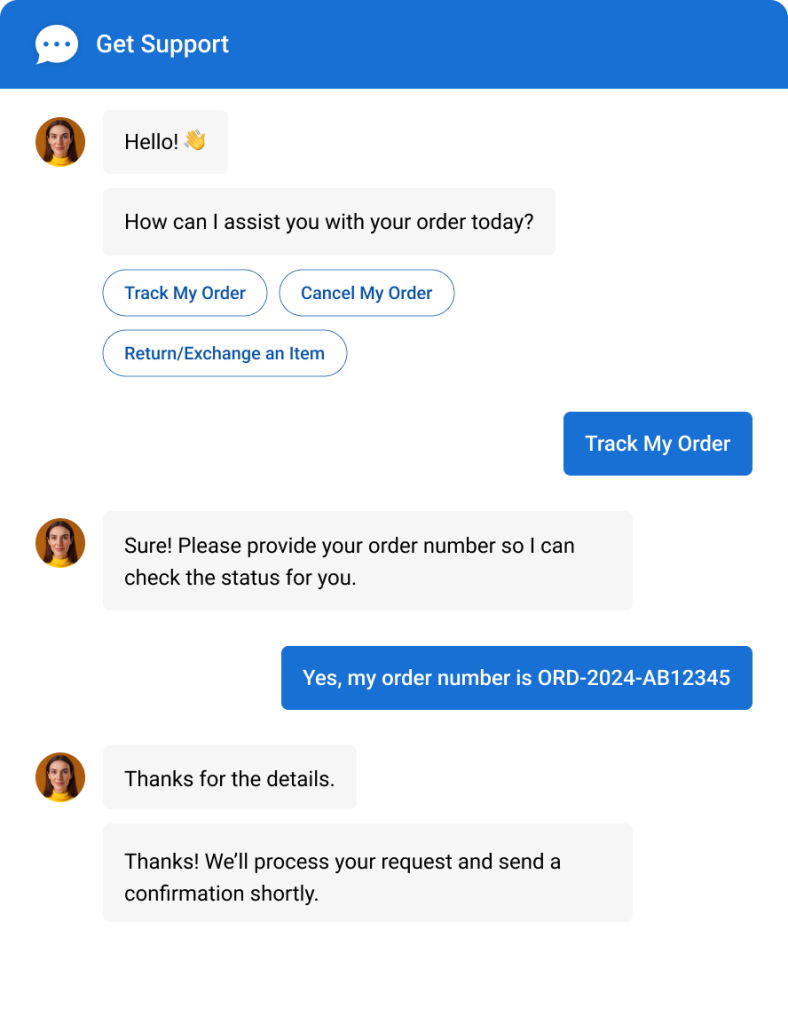
AI chatbots reduce customer support costs by handling repetitive questions instantly. They work especially well for common queries like pricing, order updates, or appointment bookings. Many platforms also offer ready-made chatbot templates, which makes it easy to launch a bot quickly without building everything from scratch.
Plus, chatbots can be trained on your own content to deliver accurate answers and configured to hand conversations over to a live agent when needed. This keeps response times fast while significantly reducing the number of tickets agents handle each day.
2. Build a Self-Service Knowledge Hub
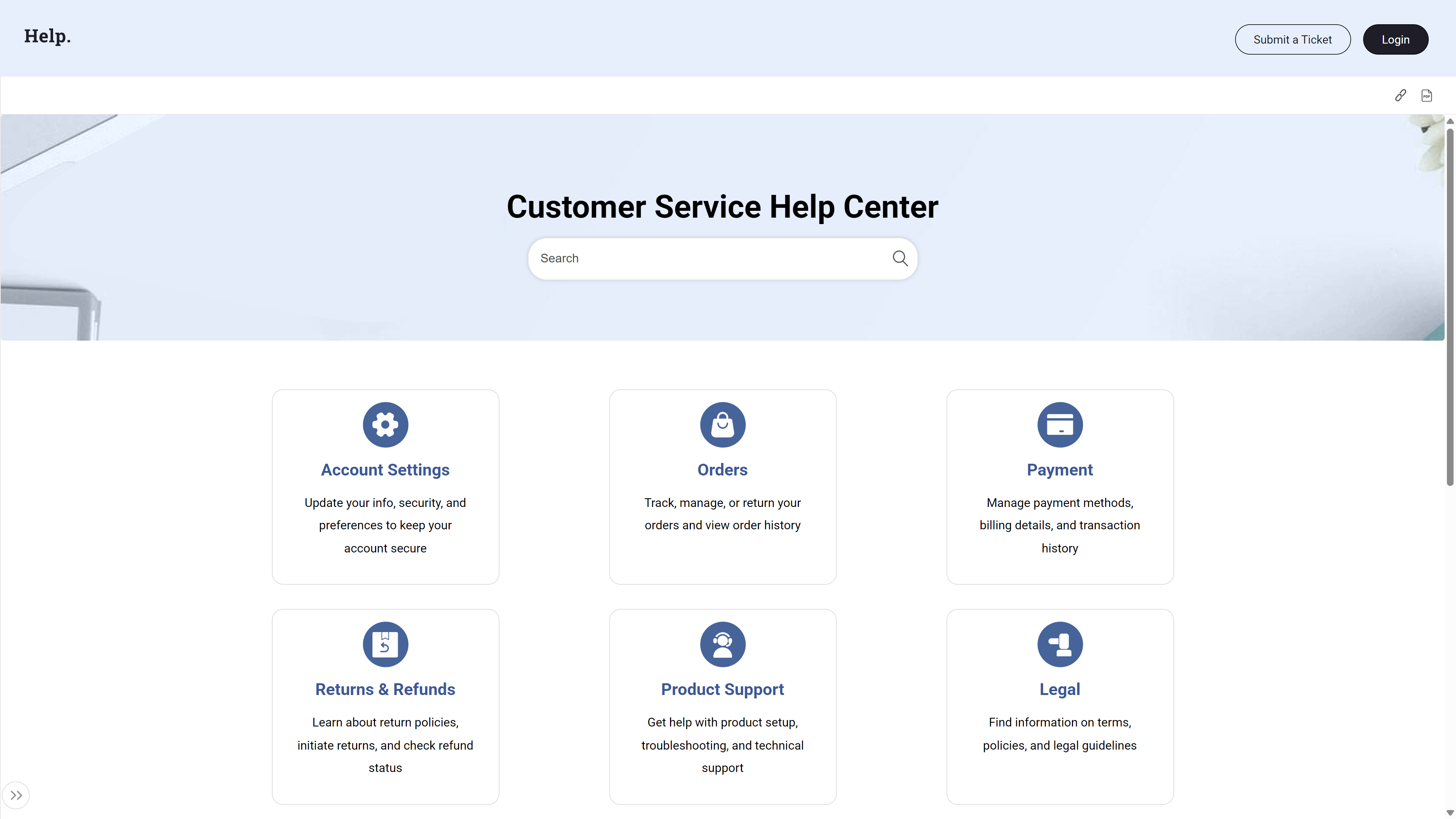
A strong self-service knowledge hub helps customers find answers without contacting support. Focus on your most common questions, step-by-step guides, and troubleshooting content pulled directly from real tickets.
Articles should be easy to search, quick to scan, and written in plain language. When customers can solve problems on their own, ticket volume drops naturally and your support team can spend time on complex issues that truly need human help.
3. Shift Conversations to Lower-Cost Channels
Using live chat instead of phone support significantly reduces the cost of each customer interaction. Phone calls require dedicated agents, longer handling times, and higher staffing expenses. Live chat allows agents to handle multiple conversations at once, respond faster, and resolve issues more efficiently.
Customers also prefer chat for quick questions, which reduces call volume. Over time, shifting more conversations to live chat lowers operational costs while still delivering fast, convenient support.
To see how teams are using live chat to create better customer experiences without increasing support load, watch this short video:
4. Speed Up Support With Canned Responses
You can reduce customer service expenses by using canned responses to eliminate repetitive typing. Your agents can reply instantly with pre-approved answers to common questions instead of writing messages from scratch. This speeds up resolution times, keeps responses consistent, and reduces errors.
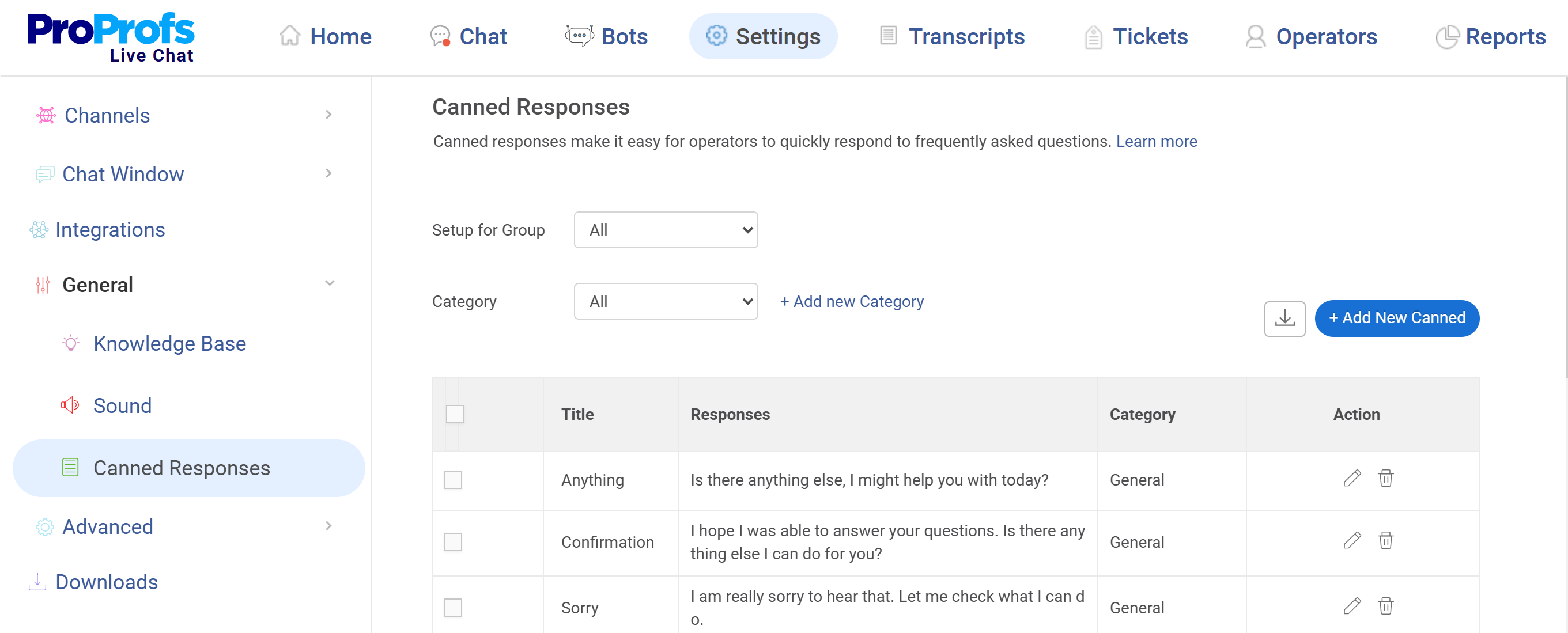
When you handle conversations faster, your team can support more customers without adding headcount, which directly lowers the cost per ticket while maintaining a good customer experience.
5. Reduce Costs With Smarter Ticket Handling
Using help desk software helps reduce customer support costs by bringing all customer conversations into one place. Instead of managing emails, chats, and tickets across multiple tools, teams can handle everything from a single dashboard. Automated ticket routing, prioritization, and status updates reduce manual effort and response delays.
Many modern help desk systems also utilize AI to summarize tickets and suggest responses, which helps agents save time, maintain consistency, and handle more customer conversations without feeling overwhelmed.
Help desk tools also provide visibility into common issues, enabling teams to fix recurring problems and resolve tickets more efficiently with fewer resources.
6. Improve First-Contact Resolution Rates
Resolving issues in the first interaction is a powerful cost-saving strategy. When customers need to follow up multiple times, each response adds to support workload and expense. Improving first-contact resolution means agents have better tools, clearer information, and stronger training. It also means fewer escalations and shorter resolution cycles.
Customers get answers faster, and agents spend less time reopening old tickets. Over time, higher first-contact resolution reduces ticket volume and keeps support costs under control.
7. Manage All Channels in One Place
Handling chat, email, and social messages across multiple tools slows teams down and increases support costs. With an omnichannel approach, all customer conversations are routed into a centralized inbox, making it easier for agents to stay organized and respond faster. This reduces context switching, prevents missed messages, and gives managers better visibility into team workload and performance.
When needed, teams can escalate chat sessions to audio or video calls and enable real-time screen sharing to resolve complex issues faster. Fewer tools, smoother workflows, and quicker resolutions reduce operational overhead and help lower overall customer support costs.
8. Use Support Data to Optimize
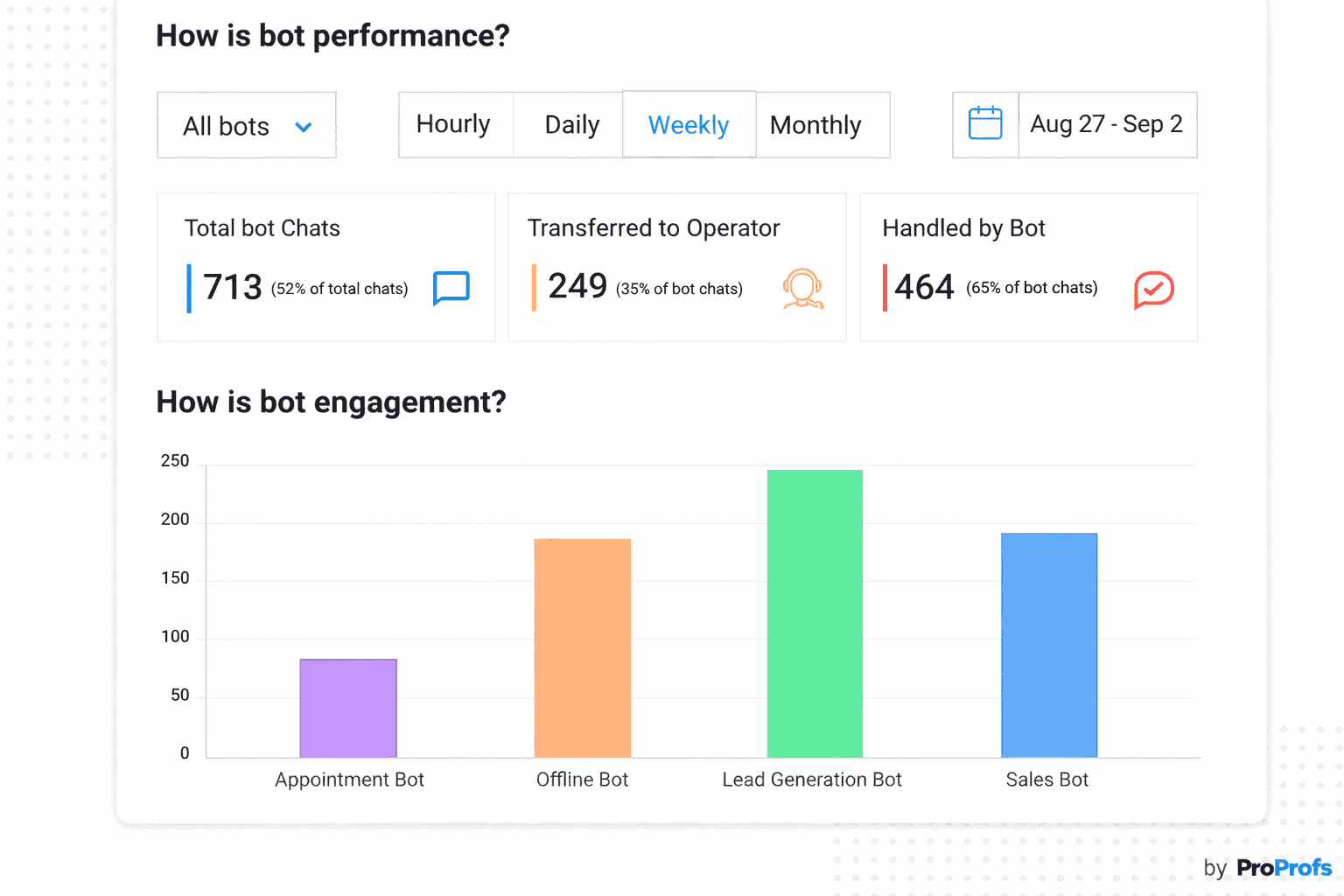
Support data shows exactly where money is going and where it is being wasted. By reviewing performance reports and analytics dashboards, businesses can see how agents and chatbots are actually performing. Key metrics, such as response time, missed chats, bot-handled conversations, and chats transferred to agents, highlight what is working and what is not.
These insights make it easier to improve help content, fine-tune automation, and fix inefficient workflows. When decisions are guided by real usage patterns instead of assumptions, cost-saving efforts become more targeted and deliver results that can be clearly measured.
9. Train Teams for Faster Resolutions
Well-trained agents solve problems faster and prevent repeat contacts. Regular training on products, tools, and common issues builds confidence and accuracy. Keep internal resources updated and encourage knowledge sharing within the team.
While training takes time, it consistently reduces handling time, improves first-contact resolution, and lowers overall support costs in the long run.
10. Gather Customer Feedback for Product Improvements
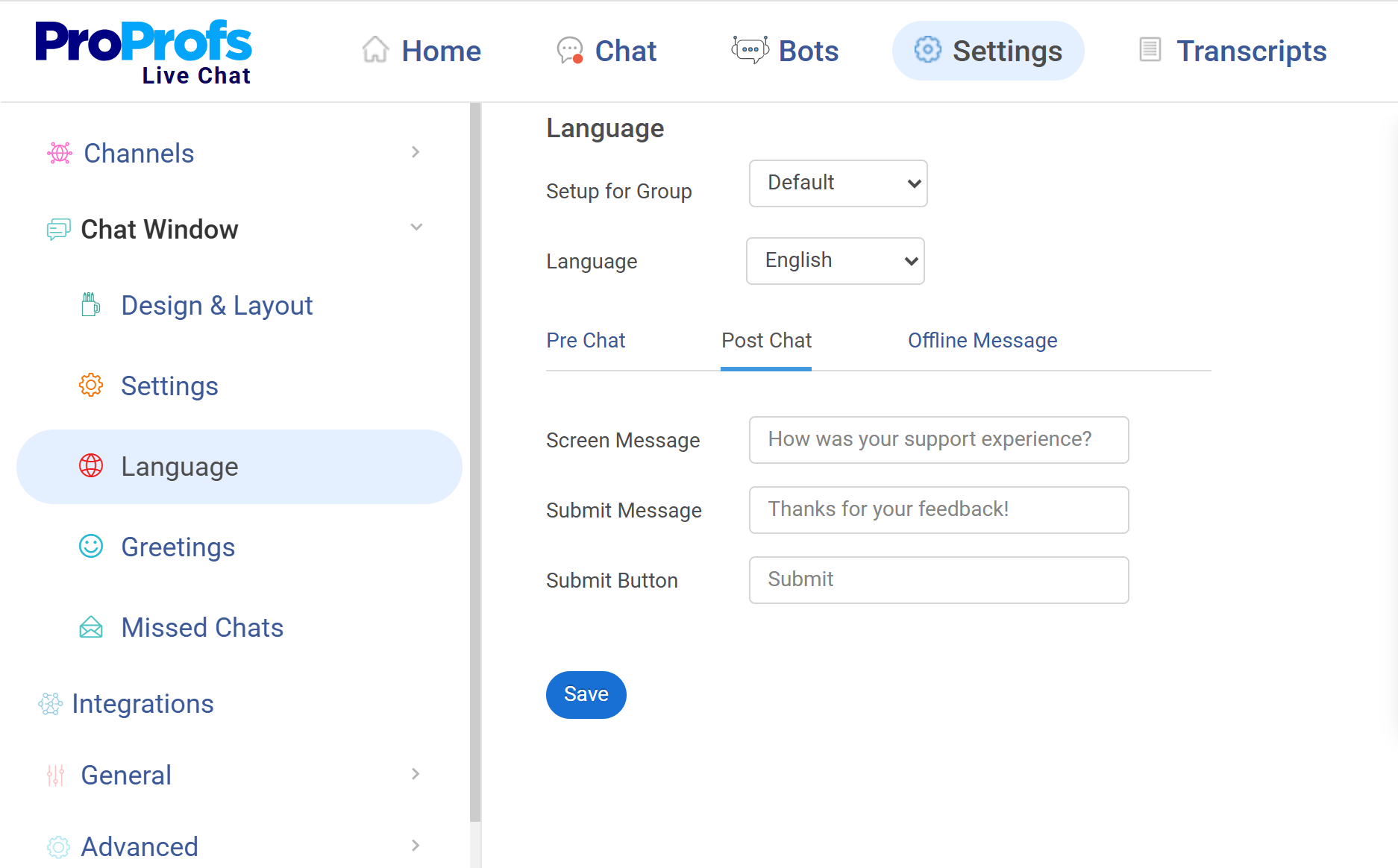
Gathering customer feedback through support interactions and post-chat surveys helps uncover recurring issues, usability problems, and feature gaps in the product itself. These insights reveal why customers are reaching out in the first place. When feedback is shared with product and engineering teams, it enables root-cause fixes that prevent the same tickets from coming back.
Companies that close this feedback loop often reduce support volume by 20–40% over time, delivering long-term cost savings that go far beyond short-term operational tweaks while also improving product quality and customer retention.
What’s Driving Up Your Customer Support Costs (& How to Fix It)
Customer support costs rarely spike overnight. They grow due to small, avoidable mistakes that add up over time. In this section, we will cover common customer support missteps that increase costs and share practical ways to fix them before they impact efficiency and growth.
| Common Mistake | Why It Increases Support Costs | Solution |
|---|---|---|
| Relying only on human agents | Every query requires staff time, driving up payroll costs | Use chatbots and self-service to handle repetitive questions |
| Ignoring repetitive ticket patterns | Same issues keep generating new tickets | Analyze ticket data and fix root causes in the product or onboarding |
| No after-hours support plan | Missed queries lead to follow-ups and higher ticket volume | Use automated chat and offline messaging for 24/7 coverage |
| Poor ticket routing | Tickets bounce between agents, increasing handling time | Set up skill-based routing and clear workflows |
| Lack of a knowledge base | Customers contact support for answers they could find themselves | Create and maintain a searchable help center |
| Untrained or poorly configured chatbots | Bots give wrong answers and escalate unnecessary tickets | Train bots on accurate content and set clear handoff rules |
| Using too many support tools | Tool sprawl increases costs and manual work | Consolidate chat, email, and social channels into one platform |
| Not tracking support metrics | Cost issues go unnoticed until they grow | Monitor cost per ticket, deflection rate, and response time |
| Ignoring customer feedback | Product issues keep generating support requests | Use post-chat surveys to feed insights back to product teams |
FREE. All Features. FOREVER!
Try our Forever FREE account with all premium features!
Making Customer Support More Cost-Efficient as You Grow
Reducing customer service costs is not about cutting back on service. It is about building smarter systems that help your team support more customers with less effort.
Start by identifying repetitive questions, add self-service where it makes sense, and use automation to handle high-volume requests. Shift conversations to lower-cost channels like live chat, track what drives tickets, and fix issues before they reach support. Small improvements add up quickly when they are done consistently.
If you are looking for a simple way to put these ideas into action, I recommend choosing ProProfs Chat. It combines live chat, AI chatbots, automation, and reporting in one place, making it easier to reduce support costs while still delivering fast, reliable help.
FREE. All Features. FOREVER!
Try our Forever FREE account with all premium features!

 We'd love your feedback!
What did you like & how can we make it even better?

 Thanks for your feedback!
 Ask Your Question
Have a question? Get expert help to make your decision easier.